Why Is My Pool Filter Sand Black?
Black pool filter sand usually means the media has trapped dirt, algae, oils, or other debris. Clean the filter and check the sand before deciding whether replacement is needed.
On this page (8 sections)
- Why does pool filter sand turn black?
- Can algae make pool filter sand black?
- How do you clean black pool filter sand?
- When should you replace black pool filter sand?
- Is beach sand suitable for a pool filter?
- What if black sand is entering the pool?
- How can you prevent black pool filter sand?
- What is the best choice for black pool filter sand?
Pool filter sand turns black when it collects dirt, algae, oils, or other dark debris from the water. Leaves, dust, sunscreen oil, hair, and small particles settle between the grains during normal filtration and the color often develops slowly.
Cleaning may restore the media when dark material sits on the surface or near the top of the bed. A proper backwash can lift much of this debris and send it to waste, so cleaning is usually the first step before replacement is considered.
Some signs point beyond simple surface buildup. Sand that stays black after backwashing, forms hard clumps, smells foul, or sends debris back into the pool may no longer filter as it should.
The media may be loaded too deeply for water alone to clear, or the grains may be worn.
Color alone does not prove the sand is ruined. Dark media can still hold pressure and clear water, while clean looking media can perform poorly if it has channeled or compacted inside the tank.
Check filter pressure, backwash quality, water chemistry, and whether sand is returning through the pool returns before choosing your next step. Frequent heavy debris, long gaps between maintenance, and water that stayed cloudy can also add to the load on the media.
If backwashing restores clear discharge and steady pressure, the media may still have useful life left. If it does not, deeper cleaning or replacement is the more practical choice, and the filter manual should guide the amount and grade of any new media.
Why does pool filter sand turn black?
Black pool filter sand usually contains trapped organic debris or oily material. As water passes through the bed, leaves, dust, sunscreen oil, hair, algae, and small particles can collect between the grains instead of passing through.
This buildup is more common when the pool regularly receives heavy debris or frequent use. Oils from sunscreen and body products can coat particles and help them stick, while organic waste can break down slowly inside the dark, still space of the filter tank.
A filter that runs with poor water balance may also collect more algae and organic waste than usual. When sanitizer levels drift or circulation is weak, material that would normally be handled in the pool can reach the filter and settle in the media.
If the sand looks dark only in a small area, the filter may have uneven flow or channeling instead of evenly loaded media. Water can follow a path of least resistance through a compacted section, leaving other areas to collect more debris and darken faster.
Check whether the dark color rinses away during backwashing. Watch the discharge at the waste line and note how long it takes to clear, since a normal cycle should improve as trapped material is lifted from the bed.
If the water leaving the waste line remains dirty after a proper cycle, the media may need deeper cleaning. Persistent dark discharge can mean the buildup sits below the surface, where a standard backwash cannot reach it fully.
Look for clues in the rest of the system as well. A clogged pump basket, low flow, or a pressure reading that climbs quickly can allow more debris to collect.
Addressing those issues first can prevent the same buildup from returning after cleaning.
Can algae make pool filter sand black?
Yes, algae and other organic debris can darken filter sand. This is more likely after cloudy water, a green pool, poor circulation, or a sanitizer problem.
The sand is not a substitute for water treatment. Test the pool water and correct the chemistry using the product instructions and your filter manual.
The CDC's healthy swimming guidance explains why proper pool maintenance matters for swimmers.
A dark filter can also point to a problem upstream. Skim heavy debris, inspect the pump basket, and make sure the filter receives steady flow before assuming the sand itself caused the issue.
How do you clean black pool filter sand?
Backwash the filter first, then rinse it and inspect the result. Follow the valve positions and pressure limits in your filter manual because the sequence varies by system.
A basic process usually includes:
- Turn off the pump before changing the multiport valve.
- Set the valve to backwash and run the pump for the instructed time.
- Turn the pump off before moving the valve to rinse.
- Run the rinse cycle until the discharge clears.
- Return the valve to filter and restart the pump.
- Check the pressure and return jets.
Never move a multiport valve while the pump is running. If backwashing does not remove the dark material, see our guide on how to use pool sand filter cleaner.
A sand filter cleaner can help break down oils and organic buildup that water alone may not remove. Use only a product intended for pool sand filters and follow its label, including any soaking or circulation instructions.
When should you replace black pool filter sand?
Replace the sand when cleaning no longer restores normal filtration or the media is clumped, channeled, or returning debris. If the filter system itself needs replacement, compare sand pool filter and pump systems.
Black color by itself is not enough to make the decision.
Replacement becomes more reasonable when:
- The sand stays dark after backwashing and cleaning.
- The filter pressure rises quickly after cleaning.
- The pool remains cloudy despite correct water treatment.
- Sand returns to the pool through the returns.
- The media has hard clumps or visible channels.
- The filter has been opened for another repair.
Use the filter's required media grade and fill amount. Do not pour in ordinary construction, play, or beach sand because the grain size and shape may not suit the filter.
For broader media choices, read which pool filter media should you use. A pool filter sand alternative may also suit a system that needs a different type of media.
Which replacement sand fits a pool filter?
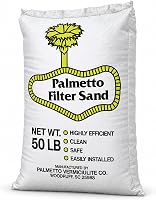
Pool filter sand should be made for filtration and match the filter's required grade. Palmetto Pool Filter Sand for Swimming Pools is 50 lb of natural silica in a washed and screened 20-40 sieve grade, designed for above-ground and inground pools.
Its granular form and 20-40 sieve grade make it a direct type of media to consider when your filter calls for that grade. Confirm the filter's required amount and grade before ordering, since one bag does not fit every filter tank.
The sand is intended for pool filtration, while the color of the old media should be judged alongside pressure, water clarity, and backwash results. Replace the media carefully so you don't damage the laterals or standpipe inside the tank.
Is beach sand suitable for a pool filter?
Beach sand is not a suitable replacement for pool filter sand just because it looks similar. Pool filtration needs media selected for the filter's design, while beach or play sand can have different grain properties.
Kinetic Sand 3.25lb Beach Sand Amazon Exclusive is 3.25 lb of brown sensory play sand for ages 3 and up. It is made for creative play, sand art, and sensory bins, not pool filtration.
Its resealable bag and reusable, moldable texture suit indoor play. They do not make it appropriate for a sand filter, and the smaller amount is also not presented as a pool filter fill amount.
Keep this product separate from pool equipment. If you need a different filtration material, compare the options in our guide to best pool filter media.
What if black sand is entering the pool?
Sand entering the pool usually points to a filter or plumbing problem, not normal filtration. Turn off the pump and inspect the laterals, standpipe, diffuser, valve setting, and connections according to the filter manual.
A small amount of sand after maintenance can come from an installation issue. Continued sand at the returns may mean a cracked lateral, damaged internal part, incorrect valve operation, or an overfilled tank.
Vacuum visible sand carefully and watch whether more appears after restarting the system. A best pool filter sand vacuum can help remove loose material from the pool floor, but it will not repair the filter.
An automatic cleaner also cannot replace the main filter system. See why an automatic cleaner does not replace the pool filter for the difference between collecting floor debris and filtering circulated water.
How can you prevent black pool filter sand?
Prevent darkened media by keeping debris out of the water and maintaining steady filtration. Empty the pump basket, remove leaves, keep the water balanced, and backwash when the pressure reaches the level recommended by the filter maker.
Avoid delaying maintenance after storms, heavy debris, or algae growth. Oils from sunscreen and body products can also load the media, so regular cleaning matters when the pool receives frequent use.
Use the correct media when replacing sand. A cartridge system uses a different filter element, so don't substitute sand in a cartridge filter.
Hayward owners can compare best Hayward pool filter cartridges when their system uses cartridges instead of sand.
What is the best choice for black pool filter sand?
Clean the sand first when the filter still holds pressure normally and the media does not clump or return debris. Replace it when dark buildup remains, filtration stays weak, or the sand causes cloudy water or sand at the returns.
Choose Palmetto Pool Filter Sand for Swimming Pools when you need 50 lb of natural silica pool filter media in a 20-40 sieve grade. Do not use Kinetic Sand 3.25lb Beach Sand Amazon Exclusive as filter media because it is sensory play sand for children.
The decision is simple: clean media that still filters well, replace media that no longer responds to cleaning, and repair the filter if sand escapes into the pool.
Frequently asked questions
Is black pool filter sand dangerous?
Black pool filter sand is usually a sign that the media has collected debris, algae, oils, or other material. It does not identify the exact cause by itself.
Stop using the filter if sand enters the pool, the water stays cloudy, or the filter pressure behaves abnormally, then inspect the system and test the water.
Can you clean black sand in a pool filter?
Yes, cleaning may remove trapped debris when the sand itself is still suitable for filtration. Backwash according to the filter instructions, then use a pool sand filter cleaner if needed.
If the sand remains dark, clumps, smells foul, or returns debris to the pool, replacement may be the better next step.
How often should pool filter sand be replaced?
Replace pool filter sand when cleaning no longer restores normal filtration, the media clumps or channels, or sand begins returning to the pool. The right interval depends on water conditions, maintenance, and the filter system.
Follow the filter maker's instructions instead of replacing on a fixed calendar alone.
Can I use beach sand in a pool filter?
No, beach sand or play sand should not be treated as a substitute for pool filter media. Pool filters need media with the right grade and filtration behavior.
Use sand made for pool filters, and confirm the required grade and amount for your filter before filling it.