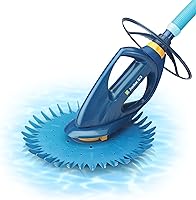
Why Does My Polaris 360 Float?
A Polaris 360 that floats usually has trapped air, incorrect hose-float placement, or water flow that is out of balance. Shut off the pump before inspecting it, then check the hose, cleaner, and return-line flow.
On this page (7 sections)
- Why does my Polaris 360 float above the pool floor?
- How can I check for air in the Polaris 360?
- Can hose-float placement make a Polaris 360 lift?
- Can water flow cause a Polaris 360 to float?
- What should I inspect if the Polaris 360 still floats?
- How do I tell normal hose movement from a cleaner problem?
- When should I get service for a floating Polaris 360?
A Polaris 360 that floats usually has trapped air, a hose float in the wrong place, or water flow that needs adjustment. Turn the pump off before inspecting the cleaner, then check the hose and float positions and follow the manual's instructions for purging air and setting flow.
A hose that sits at the surface may be normal, depending on where its floats belong. The key sign to investigate is the cleaner body lifting off the floor, tipping, or failing to move as it should.
Why does my Polaris 360 float above the pool floor?
A Polaris 360 floats when buoyancy or water flow is preventing steady contact with the pool floor. Air inside the cleaner or hose is a common thing to check, along with hose-float placement and the pressure-side flow.
A pressure-side cleaner depends on water delivered through its feed line. If air enters the line, a float shifts, or flow is outside the range in the manual, the cleaner can move in an unusual way.
The Polaris 360 and other pressure-side models use return-line water differently from suction-side cleaners. For a broader explanation of how pool-cleaner types and mechanisms differ, start with the connection each cleaner uses.
How can I check for air in the Polaris 360?
Turn off the pump and inspect the cleaner and feed hose for trapped air, leaks, or loose connections. Follow the Polaris 360 manual to purge the line before judging whether the cleaner still floats.
Look for visible damage, a hose connection that has come loose, or a fitting that doesn't sit firmly. Don't open a pressurized connection while the pump is running.
After purging air as directed, restart the system and observe the cleaner from the pool edge. Keep clear of the cleaner and moving parts, and stop the pump again if the hose or body behaves unexpectedly.
Can hose-float placement make a Polaris 360 lift?
Yes, misplaced or damaged hose floats can change how the cleaner and hose sit in the water. Compare each float's location with the diagram for your Polaris 360 model, rather than moving floats randomly.
The float arrangement is model-specific, and a hose that floats does not always indicate a problem. Focus on whether the cleaner body stays on the floor and whether the hose pulls or lifts it as it moves.
If a float is cracked, waterlogged, or sliding out of position, use the manual's replacement guidance. Avoid adding extra floats or weights unless Polaris recommends that change for your model.
How does a floating cleaner affect coverage?
A cleaner that repeatedly loses floor contact may leave debris behind, even if it still moves around the pool. For context on how pool robots detect walls, see how cleaner design affects movement at the floor and wall.
A Polaris 360 is a pressure-side cleaner, so its route and behavior won't match every robotic cleaner. Readers comparing larger pools may find the overview of robotic pool cleaners for large pools useful when evaluating a different cleaner type.
Can water flow cause a Polaris 360 to float?
Incorrect water flow can affect a pressure-side cleaner's movement and floor contact. Check the manual's flow instructions and use the specified method to confirm or adjust flow.
Don't guess at a regulator setting, restrict a return line, or change pump settings without understanding the system. If the prescribed flow check points to a problem, a pool technician can inspect the pressure-side line and fittings.
Flow needs can differ between cleaner types. For example, the Zodiac G3 is a suction-side cleaner that connects to a skimmer or dedicated suction line and is described as compatible with low-flow and variable-speed pumps.
The Zodiac MX6 is also suction-side, using hydraulic suction from a skimmer or dedicated line. Its maker describes flow control as part of setup, with wall climbing available when set to proper flow.
What should I inspect if the Polaris 360 still floats?
After checking air, hose floats, and flow, inspect the cleaner and hose for visible damage or blockage. Turn off the pump before removing debris or handling any connection.
Check the feed hose for kinks, splits, and loose joints. Look for debris around accessible openings, but don't push tools into the cleaner or line where they could damage an internal part.
Confirm the cleaner is assembled as the manual shows and that no part is hanging up on a fitting or pool feature. If you cannot find an obvious issue, leave adjustments to a pool technician.
Is another pressure-side cleaner a useful comparison?
A different cleaner may help if you're comparing how a pressure-side model handles debris, but it won't diagnose a floating Polaris 360. The Polaris Vac-Sweep 280 is a pressure-side cleaner powered by a separate booster pump, with a feed hose and a debris bag.
Its configuration differs from the 360, so don't transfer settings or parts between models. Check the manual for the exact cleaner and pool system you have.
How do I tell normal hose movement from a cleaner problem?
A hose can float while the cleaner works normally, but the cleaner body should not keep lifting away from the floor. Watch whether it maintains contact, moves steadily, and reaches the areas it is supposed to clean.
If only the hose rides near the surface, compare float placement with the manual before changing anything. If the cleaner itself rises, rolls over, or repeatedly stalls, stop and check air, flow, and visible damage.
Pool coverage patterns also vary by cleaner design. This guide to random versus mapped pool coverage explains why movement can look different across cleaner types.
When should I get service for a floating Polaris 360?
Get service if the cleaner still floats after you follow the manual's air-purge, float-placement, and flow checks. A technician can test the pressure-side supply and inspect parts that aren't safe or practical to diagnose in the pool.
Stop using the cleaner if you see a damaged hose, loose fitting, or persistent behavior that could strain the line. Keep the pump off while inspecting, and don't reach into a moving cleaner or pressurized connection.
For a Polaris 360 that floats, start with air, then check hose-float placement and flow in that order. If those checks don't restore steady floor contact, have the pressure-side system inspected before changing settings or replacing parts.
Frequently asked questions
Why does my Polaris 360 float instead of staying on the floor?
A Polaris 360 may float when air is trapped in the cleaner or hose, when a hose float has shifted, or when water flow is not set correctly. Turn off the pump, inspect the hose and float positions, then follow the cleaner manual's steps to purge air and check flow.
Should a Polaris 360 hose float?
Some hose sections are designed to have floats, so a floating hose by itself doesn't mean the cleaner is faulty. Check the float positions against the Polaris 360 manual for your model, and look for a displaced or damaged float if the cleaner body lifts or loses floor contact.
Can too much flow make a Polaris 360 float?
Incorrect flow can affect how a pressure-side cleaner moves and holds contact, so check the Polaris 360 flow guidance and make adjustments only as its manual directs. Don't change a pressure regulator or return-line setting by guesswork; get help if the recommended flow cannot be reached.
When should I call a pool technician about a floating Polaris 360?
Call a pool technician if the cleaner still floats after you check hose-float placement, clear visible obstructions, and follow the manual's air-purging and flow steps. A technician can check the pressure-side line, fittings, and cleaner parts without relying on guesswork.