Can You Use a Polaris Cleaner in an Above Ground Pool?
Some Polaris cleaners may work in above ground pools, but compatibility depends on the exact model and setup. Check the manual for your pool type, connection, and pump requirements before attaching a cleaner.
On this page (6 sections)
- How can you tell if a Polaris above ground pool cleaner will fit?
- Why might a Polaris cleaner be unsuitable for your pool?
- What if your pool uses a skimmer connection?
- Which alternatives are made for above ground pools?
- What should you check before connecting a cleaner?
- Which cleaner should you choose for an above ground pool?
Some Polaris cleaners may work in an above ground pool, but compatibility depends on the exact model and setup. Check the manual for your pool type, connection, and pump requirements before attaching a cleaner.
The brand name alone doesn't tell you whether a cleaner will fit. A cleaner may need a particular suction connection, pump flow, or pool shape, and above ground pools don't all share the same equipment.
How can you tell if a Polaris above ground pool cleaner will fit?
Check the manual for your exact Polaris model and confirm it names above ground pools as compatible. If it is a 280, compare Polaris 280 replacement parts with the manual before ordering.
Then compare its connection and operating requirements with your pool's equipment.
Look for these details before you install anything:
- Pool type: Confirm the manual allows above ground pools.
- Connection: Find out whether it connects to a skimmer, a dedicated suction line, or another fitting.
- Pump requirements: Check any minimum or maximum flow guidance and whether your pump can meet it.
- Pool shape and surface: Look for limits that match your pool's floor, walls, and dimensions.
- Hose and fittings: Confirm the supplied hose and connections suit your pool equipment.
A hose that seems to fit isn't proof the cleaner is suitable. Follow both the cleaner and pool manuals, and stop if the connection leaks, restricts flow, or needs an adapter the manufacturer doesn't approve.
For context on how cleaner designs differ, see how automatic pool cleaners work. A suction-side unit draws water through pool plumbing, while a robotic cleaner has a different setup.
Why might a Polaris cleaner be unsuitable for your pool?
A cleaner designed for an in-ground pool may depend on plumbing or pump conditions that your above ground pool doesn't have. Check the model's stated pool type and connection before you try to adapt it.
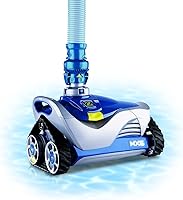
For example, the Zodiac MX6 is an in-ground suction-side cleaner. For a broader comparison, see the best inground pool cleaners.
It connects to a dedicated suction line or through a skimmer and sends debris to the pool filtration system, so those requirements may not match your pool.
The MX6 uses pool pump suction, and its coverage and wall climbing depend on setting the flow correctly. Don't treat those features as confirmation that it works in an above ground pool.
If you're considering a suction model, first understand how a suction-side pool cleaner moves. Ask the pool or cleaner manufacturer about your exact setup if the manual doesn't clearly answer the compatibility question.
What if your pool uses a skimmer connection?
Use a skimmer connection only when the cleaner and pool instructions allow it. Check the fittings, flow guidance, and any steps for preparing the skimmer before connecting a hose.
The MX6 includes accessories for a dedicated suction line or skimmer installation, but its stated pool type is in-ground. A skimmer fitting by itself doesn't show that the cleaner is compatible with your above ground pool.
Don't remove required skimmer parts or block water flow to make a cleaner operate. If the cleaner's instructions and your pool's instructions don't describe a compatible setup, choose another option.
Which alternatives are made for above ground pools?
A cleaner identified for above ground pools is a more direct starting point. Match its stated pool size and cleaning limits to your pool, and check what parts or power source its setup needs.
The Dolphin Nautilus AG is described for above ground pools up to 33 ft in length. It has a top-load filter basket and an active scrubbing brush, but it does not clean walls or the waterline.
The Dolphin Automatic Robotic Pool Vacuum Cleaner is described for in-ground pools. Compare more models in robotic pool cleaners for inground pools.
Its plug-and-play setup and top-load filter basket may sound convenient, but its stated pool type matters, so don't assume it's right for an above ground pool.
For more options, compare the best above ground pool robotic cleaner and best cordless above ground pool cleaners. If your pool is compact, best pool cleaners for small pools can help you narrow choices by size.
What should you check before connecting a cleaner?
Read the cleaner manual and pool instructions before connecting hoses or starting the pump. Make sure the cleaner is approved for your pool type and that every connection and operating condition is supported.
Check that the hose reaches without pulling hard on the cleaner or pool fitting. Confirm that the filter and skimmer are set up as instructed, and watch for changes in pump flow when you start the cleaner.
For a Polaris model, use its manual or the Polaris Pool product support site to check model-specific guidance. If you can't confirm above ground compatibility, contact Polaris or your pool equipment maker before installing it.
Which cleaner should you choose for an above ground pool?
Choose a cleaner whose instructions explicitly support your pool type and equipment. If a Polaris model's manual confirms a compatible connection and operating conditions, follow those directions; otherwise, consider a model made for above ground pools.
A suction-side cleaner is a possible fit only when the pool has a supported suction connection and can meet the cleaner's requirements. A robotic cleaner can be a simpler alternative to compare, but check its pool type, size limit, and cleaning coverage.
For setup guidance, see using an Aiper pool cleaner.
For above ground pool care, start with the pool-specific choice and read its limits before connecting anything. If you also need help managing debris in the filtration system, see best filter baskets for above ground pools.
Frequently asked questions
Can you use a Polaris cleaner in an above ground pool?
It depends on the exact Polaris model and your pool setup. Check the model's manual for above ground compatibility, required connection, and pump or plumbing limits.
If those details don't match your pool, choose a cleaner made for above ground use.
Do above ground pools need a special pool cleaner?
They need a cleaner that fits the pool's size, surface, shape, and connection setup. Some cleaners connect to pool plumbing, while robotic models operate separately from the pool's filtration path.
Check the cleaner's stated pool type and your pool instructions before buying.
Can an in-ground suction cleaner work in an above ground pool?
Don't assume it can. An in-ground suction cleaner may depend on a compatible skimmer or dedicated suction line and enough pump flow.
Check the cleaner manual and pool equipment instructions first, and avoid forcing a hose or connection that doesn't fit.
Is a robotic cleaner easier to install in an above ground pool?
A robotic cleaner can avoid a suction-hose connection to the pool's skimmer, but the exact setup still depends on the model. Check its pool type, size limits, power requirements, and instructions, then use it only as directed.