Can You Replace a Pool Cleaner Battery?
Some pool cleaner batteries can be replaced, but compatibility and access depend on the exact model. Check the manual or manufacturer support before opening the cleaner or ordering a battery.
On this page (7 sections)
- Can you replace a pool cleaner battery?
- How can you check whether the battery is the problem?
- How do you find a compatible replacement battery?
- When should you repair the cleaner or replace it?
- What safety steps matter during battery service?
- What alternatives make sense if battery service isn't available?
- What should you do before ordering a battery?
Some pool cleaner batteries can be replaced, but the right battery and service steps depend on the exact model. Check the manual or contact the manufacturer before opening the cleaner or ordering a replacement.
A short run time can point to a worn battery, but it can also come from a charging problem, blocked intake, or another fault. Confirm the cause first so you don't buy a battery that won't fix the problem.
Can you replace a pool cleaner battery?
You can replace a pool cleaner battery only when the model supports battery service and you can get a compatible part. Some cordless cleaners have a battery replacement process, while others may require manufacturer service or replacement of the whole unit.
Start with the model number on the cleaner or its paperwork. Find the battery instructions in the manual, or ask the manufacturer whether the battery is user replaceable and which part fits.
Don't assume that batteries advertised for the same brand are interchangeable. The battery type, voltage, connector, dimensions, and charging requirements must all match the cleaner.
What does pool cleaner battery replacement depend on?
Pool cleaner battery replacement depends on compatibility, access, and service guidance. If any of those are unclear, get confirmation from the manufacturer before buying a part or opening the housing.
A compatible battery has to match the cleaner's electrical requirements as well as its shape and connector. A battery that fits inside the compartment can still be unsafe or fail to charge if its specifications differ.
Access matters, too. A removable battery pack may be designed for routine replacement, while a sealed enclosure may need specialized service.
How can you check whether the battery is the problem?
Rule out simple charging and cleaning issues before treating the battery as failed. Follow the cleaner's instructions to inspect the charging connection, charge cycle, and filter or intake.
Check that the charger and charging contacts are clean and dry, then charge the unit for the time its manual specifies. If it still stops early, inspect the cleaner for debris or a blocked intake, using the maker's cleaning instructions.
Look for a change in performance over time, such as a gradual drop in run time. A sudden shutdown, failure to charge, or error indicator can have other causes, so check the troubleshooting section or contact support.
Automatic cleaners vary in how they move and collect debris. Our guide to how automatic pool cleaners work explains the main types, while why an automatic cleaner doesn't replace the pool filter covers the separate role of pool filtration.
How do you find a compatible replacement battery?
Match the replacement to the exact cleaner model and the manufacturer's battery requirements. Use the model number rather than relying on photos, brand names, or a seller's compatibility list alone.
Before ordering, confirm the battery type, voltage, connector, and physical dimensions against the manual or manufacturer support. Also check whether a replacement requires a particular seal, cover, or service procedure.
If the manufacturer doesn't identify a compatible battery or explain how to replace it, don't improvise with a generic pack. Ask whether an authorized repair option is available and whether the cleaner should be sent in for service.
How do you replace an Aiper Scuba S1 battery?
Follow Aiper's model-specific instructions for the Scuba S1, including its battery and sealing steps. For the details, see our guide to Aiper Scuba S1 battery replacement.
Don't apply another cleaner's process to the Scuba S1 just because the housings look similar. If you can't confirm the correct part or procedure, contact Aiper support before opening the unit.
How do you replace a WYBOT C1 battery?
Use the WYBOT C1's own service guidance and a battery confirmed for that model. Our guide to WYBOT C1 battery replacement covers that cleaner specifically.
Model-specific details matter because battery access and seals can differ between cleaners. Stop if the battery compartment, connector, or instructions don't match your unit.
When should you repair the cleaner or replace it?
Repair makes sense when the manufacturer supports the service, a compatible battery is available, and the rest of the cleaner is in good condition. Consider replacing the cleaner when battery service isn't supported or other faults make a repair impractical.
Compare the repair cost with the cleaner's age and overall condition. A battery alone won't solve a failed motor, damaged seals, charging electronics, or worn cleaning parts.
If the manufacturer offers service, ask what the repair includes and whether it preserves the cleaner's water protection. A repair that leaves the housing improperly sealed can create a larger problem.
Motor trouble can look like a battery issue if the cleaner runs weakly or stops moving. For a specific Betta SE model, see how to replace Betta SE motors.
Can you replace a Betta SE battery?
Use the Betta SE's model-specific battery instructions and a confirmed compatible part. Our guide to Betta SE battery replacement addresses that repair separately.
If the cleaner still has a motor or charging fault after battery service, check the troubleshooting steps before ordering more parts. Don't open a sealed unit unless the maker describes a safe service process.
What safety steps matter during battery service?
Follow the cleaner's manual and keep the unit disconnected from its charger while servicing it. Pool cleaners combine water exposure with electrical parts, so don't guess at the procedure.
Work in a dry area and use only the tools and steps the manufacturer specifies. Avoid puncturing, crushing, bending, or shorting a battery, and don't reuse a damaged or swollen pack.
If the battery is hot, leaking, swollen, or giving off an unusual odor, stop handling it and contact the manufacturer for safe next steps. Keep it away from children and follow local guidance for battery disposal.
What alternatives make sense if battery service isn't available?
A cleaner that doesn't rely on a replaceable battery may suit you better if you want to avoid battery service. Suction-side and pressure-side cleaners connect to pool plumbing rather than using a cordless battery.
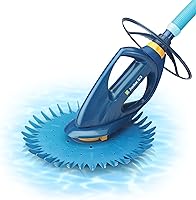
The Zodiac G3 is a suction-side inground cleaner that connects to a skimmer or dedicated suction line. It uses suction rather than a cleaner battery.
A suction cleaner depends on the pool's circulation setup, so confirm that the connection and pump arrangement suit your pool. It isn't a direct replacement for a cordless cleaner if you need a unit that works independently of pool plumbing.
The Polaris Vac-Sweep 280 is a pressure-side cleaner powered by a separate booster pump. It connects to a dedicated return line and collects debris in a filter bag.
Choose this type only if your pool setup supports it. It has different installation needs from a cordless cleaner, so check the plumbing and pump requirements first.
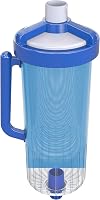
A leaf canister can also help a suction cleaner collect larger debris before it reaches the filter system. The Hayward W530 installs in-line between the vacuum hose and skimmer and is for suction cleaners with a 1.5 in vacuum hose.
The canister doesn't replace a cleaner battery or the pool filter. It may help protect the filter system from large debris, but it only suits a compatible suction-cleaner setup.
For filter maintenance, see DE pool filter cartridge replacement. That process is separate from diagnosing or replacing a cleaner battery.
What should you do before ordering a battery?
Confirm the cause, exact model, compatible part, and service method before ordering. If any detail is uncertain, ask the manufacturer rather than experimenting with a battery that merely appears to fit.
Choose battery service when it is supported and the cleaner is otherwise sound. Choose a plumbing-connected cleaner if you prefer a model that doesn't depend on a rechargeable cleaner battery, provided your pool supports that setup.
Frequently asked questions
Can you replace a pool cleaner battery?
Sometimes. It depends on whether the cleaner has a serviceable battery and whether a compatible replacement is available for that model.
Check the manual or contact the manufacturer with the model number before opening the housing; a battery that fits physically may still be electrically incompatible.
How do I know which replacement battery fits my pool cleaner?
Use the cleaner's exact model number to find the battery specification in its manual or through manufacturer support. Match the required battery type, voltage, connector, and physical fit.
Don't rely on a similar-looking battery or a generic search result if the maker doesn't confirm compatibility.
Should I replace the battery or the whole pool cleaner?
Compare the cost and availability of a confirmed compatible battery with the cleaner's age, condition, and other faults. A battery repair may make sense when the rest of the cleaner works and the repair is supported; replacement is more practical when parts or safe service aren't available.
Can I replace a pool cleaner battery myself?
Only if the manual or manufacturer supports user battery service and you can follow its steps. Disconnect the charger, keep the unit dry, and avoid puncturing or bending a battery.
If the case is sealed or the battery is swollen, damaged, hot, or leaking, stop and contact the manufacturer.