Robotic Pool Cleaners vs Suction Cleaner: Which Is Better? (November 2026)
Choose a robotic cleaner for an independent unit with its own filter, or a suction cleaner if you want one driven by your pool pump. Your pool setup, cleaning routine and comfort with hose handling decide which type fits.
On this page (7 sections)
- Robotic pool cleaners vs suction cleaner: how do they work?
- Which type puts less demand on the pool system?
- How do they handle dirt and debris?
- Which one covers the pool better?
- What does routine care look like?
- What should you choose for your pool?
- How do you choose between robotic and suction pool cleaners?
Choose a robotic pool cleaner for independent operation and onboard debris collection, or a suction cleaner if you want to use your pool pump to move it. The better fit depends on your pool’s plumbing, cleaning needs and how you want to handle debris.
A robotic unit plugs into power and cleans separately from the pool’s suction line. A suction-side cleaner connects to that line, so its movement and cleaning depend on the pump and filtration setup.
This comparison explains the difference in setup, filtration, coverage and routine care. For an overview of the wider category, see how automatic pool cleaners work.
 Best for in-ground wall scrubbing
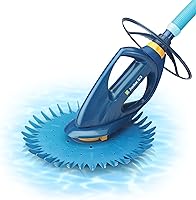
Dolphin Automatic Robotic Pool Vacuum Cleaner

Robotic pool cleaners vs suction cleaner: how do they work?
Robotic cleaners move and collect debris in their own filter; suction cleaners use pump flow and send debris into the pool filtration system. That difference shapes both installation and upkeep.
A robotic cleaner goes into the water and connects to its power supply as its instructions require. It does not need to draw cleaning flow through the pool’s suction port.
A suction-side cleaner connects by hose to a suction point, such as a skimmer or dedicated port, depending on the pool setup. Pump flow pulls water through the cleaner and moves it along the pool surface.
Learn more about how a suction-side pool cleaner moves if hose movement and pump flow are key to your decision. If you're still sorting out terms, what is the difference between a pool vacuum and a robotic cleaner? explains how the names relate.
Which type puts less demand on the pool system?
A robotic cleaner operates independently of the pool pump’s suction, while a suction cleaner needs suitable pump flow to move. If you want the cleaner to run separately from normal filtration, a robot is the more direct fit.
The suction option shares work with the pool system. Pump speed, valves, filter condition and plumbing connections can affect how well the cleaner moves, so follow the requirements for the exact cleaner and equipment.
A robot still needs a suitable power connection and careful handling around water. Check where its cable and power supply will sit, and use the manufacturer’s setup and safety instructions.
For pump-driven cleaning, confirm that the pool has a compatible suction connection and enough flow for the cleaner. A suction cleaner for an inground pool can be a useful next comparison when that setup matches your pool.
How do they handle dirt and debris?
A robotic cleaner collects debris in its own filter, while a suction cleaner routes it through the pool’s filtration system. Choose based on which debris-handling routine you’d rather maintain.
With a robotic model, you remove and clean the onboard basket or filter after use as directed. The Dolphin Nautilus CC Plus has a top-load filter basket, so access is from above the cleaner.
A suction cleaner can send dirt into the skimmer basket, pump basket or pool filter, depending on how it connects. That means the debris ends up in the pool’s existing system, which may need more frequent checks during cleaning.
Read about how a robotic pool cleaner filters water to understand onboard filtration. Keep the pump and filter care instructions in view when choosing a suction model, especially if your pool already collects a lot of leaves or fine debris.
Which one covers the pool better?
Coverage varies by model, so compare the exact cleaner’s floor, wall and waterline abilities with your pool shape. Neither category guarantees complete coverage just by being robotic or suction-driven.
Some robotic cleaners scrub pool walls. The Dolphin Nautilus CC Plus is described as a wall-climbing model for in-ground pools up to 40 ft long, while the Dolphin Nautilus AG is for above-ground pools up to 33 ft and does not clean walls or the waterline.
Suction cleaners vary in how they travel and what they reach. Hoses, pool shape, surface and pump flow all affect their movement, so check the model’s stated coverage and your pool’s dimensions.
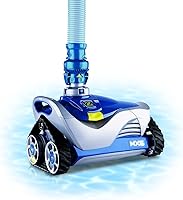
If you’re choosing between two suction models, this Zodiac MX6 vs MX6 Elite comparison can help narrow the decision. Use the pool type and coverage details as your filter before comparing other features.
What does routine care look like?
Robotic cleaners need their own filter cleaned, while suction cleaners make the pool’s baskets and filter part of the cleaning routine. Both types need regular inspection and care according to their manuals.
After a robotic cleaning cycle, remove the cleaner carefully and clear its basket or filter. Rinse it as directed and store the unit and power supply in the conditions specified by the manufacturer.
For suction equipment, check the hose for twists, leaks and blockages. Empty the relevant baskets and clean the pool filter when needed, following the pool system’s care instructions.
Consider how often you want to handle debris. An onboard basket keeps cleaner waste separate from the pool filter, while a suction cleaner can be convenient if you already maintain the pump and filtration system on a regular schedule.
What should you choose for your pool?
Choose a robot when independent operation and a separate filter suit your routine; choose suction when your pump setup is compatible and you’re comfortable maintaining the pool filter. Pool type and required coverage can rule out a model regardless of category.
The Dolphin Automatic Robotic Pool Vacuum Cleaner is an in-ground option for pools up to 40 ft, with wall climbing, an active scrubbing brush and a top-load filter basket. {{product B00Q8M0NWE | Wall scrubbing and a separate top-load filter suit in-ground pools up to 40 ft.}}
The Dolphin Nautilus AG is intended for above-ground pools up to 33 ft and cleans the floor, not the walls or waterline. {{product B01BUE8XVC | Smart Navigation and top-load filter access suit above-ground pool floor cleaning.}}
The ROPVACNIC Robot Vacuum and Mop Combo and ILIFE V2 are indoor floor-cleaning robots, not pool cleaners. {{product B0GDXV2KJ4 | Indoor vacuuming and mopping, not pool cleaning.}}
How do you choose between robotic and suction pool cleaners?
Pick a robotic model if you want an independent cleaner with its own debris filter; pick a suction model if your pump system supports it and you prefer pump-driven operation. Match the cleaner to your pool type, dimensions and coverage needs before weighing convenience.
For a broader model comparison, see best automatic pool cleaners and best pool cleaners. Choose a suction cleaner when the plumbing and pump requirements fit; choose a robotic pool cleaner when separate filtration and operation fit your routine.
Frequently asked questions
What is the main difference between robotic and suction pool cleaners?
A robotic pool cleaner is a powered unit that works independently of the pool's suction line, while a suction-side cleaner connects to that line and moves using pump flow. Robotic models commonly collect debris in an onboard filter; suction cleaners send debris through the pool's filtration system.
Does a suction pool cleaner need the pool pump?
Yes. A suction-side cleaner uses water flow from the pool pump, so it normally runs while the pump is operating and connected as directed.
Check your cleaner and pool-system manuals for compatible connections, required flow and any valve adjustments.
Can a robotic pool cleaner replace a suction cleaner?
It can replace the cleaning role if its pool type, size and coverage match your needs, but it won't work the same way. A robot has its own power and filter, while a suction cleaner uses the pool's pump and filtration setup.
Which pool cleaner is easier to maintain?
A robotic cleaner requires emptying and rinsing its onboard filter, while a suction cleaner's debris goes into the pool filter or pump basket. The better fit depends on whether you prefer cleaning a separate basket or checking and maintaining the pool's existing filtration system more often.
Can a robotic cleaner and suction cleaner both clean pool walls?
Some robotic models climb walls, but coverage varies by model and pool. Suction cleaners also differ in how they move and what surfaces they reach, so verify floor, wall and waterline coverage for the exact model before choosing.