Pool Covers: The Complete Buying Guide
The right swimming pool cover depends on your pool type, season and main goal: choose a safety cover for protection, a solar cover for heat and evaporation control, or a winter cover for off-season debris and weather.
On this page (12 sections)
- What do swimming pool covers do?
- What are the main pool cover types?
- Which pool cover material should you choose?
- How do you choose a cover for an above-ground pool?
- How do you choose a cover for an inground pool?
- How should you install and secure a pool cover?
- How do you remove and store a pool cover?
- How do you manage water and debris on a cover?
- What cover accessories are worth buying?
- What mistakes should you avoid?
- Explore pool covers by topic
- How do you choose the right swimming pool cover?
The right swimming pool cover depends on your pool type, season and main goal. Choose a safety cover for protection, a solar cover for heat and evaporation control, or a winter cover for off-season debris and weather.
That simple choice shapes everything else. Shape, size, attachment method and care routine all follow from what the cover is meant to do each week or each month.
A cover can also reduce cleaning work, slow water loss and protect the pool when it is not in use. It can lower the amount of leaves, dirt and sunlight reaching the water, which can make routine care easier.
The best choice starts with how you use the pool, how long it sits closed and how much setup you can manage. A pool used daily needs a different approach from a pool closed for winter.
Think about who uses the pool and how often. Families with small children may put safety first.
Owners focused on water temperature may put heat retention first.
Think about time and effort too. A cover that is hard to remove may stay off, and a cover that is hard to secure may not last through wind or weather.
Climate matters as well. Snow, ice, strong sun and falling leaves each place different demands on material, seams and fittings.
The right cover should match the conditions it will face.
Measure before you buy and check the maker sizing method for overlap and top rail clearance. A close match in type and size makes installation calmer and helps the cover do its job.
Use this guide to compare cover types, materials, fit and care. Take the time to match the cover to your pool and routine, and you will get more value from it.
What do swimming pool covers do?
Swimming pool covers reduce exposure to debris, sunlight, evaporation and weather. They do not all solve the same problem, so choosing by color or material alone can lead to a poor fit.
A cover may help you:
- Keep leaves and larger debris out of the water
- Reduce evaporation during the swimming season
- Hold in some pool heat
- Limit sunlight reaching the water
- Protect the pool during winter
- Add a barrier over the water
- Make spring opening easier
Your pool cover still needs correct installation and regular inspection. Wind, standing water, snow, sharp edges and loose fittings can damage a cover or create a hazard.
For a broad comparison of outdoor options, see our guide to the best pool cover for outdoor pool.
What are the main pool cover types?
The main pool cover types are solar, safety, winter, leaf net, automatic and dome covers. Each type has a different purpose, attachment method and care routine.
Solar pool covers
Solar covers float directly on the water with the bubble side facing down. Their air bubbles can help slow heat loss and evaporation when the pool is covered.
They are usually used during the swimming season. A solar cover is not the same as a safety cover, and it should not be treated as a load-bearing barrier.
A reel makes a floating cover easier to handle, especially on larger pools. Compare options in our guide to the best solar pool covers, then see our seasonal picks for the best summer pool cover.
Safety pool covers
Safety covers are designed to attach securely around the pool and create a stronger barrier than a loose floating cover. Inground versions commonly use anchors around the deck.
Choose a safety cover when access prevention is your main goal, but follow the specific product instructions and local safety rules. A cover is only as reliable as its fit, attachment points and condition.
Solid safety covers block water from passing through. Mesh safety covers allow some rainwater through while helping keep leaves and larger debris out.
Our guide to the best solid pool covers explains where solid designs fit.
For inground pools, compare the best inground pool safety covers and measure the pool deck carefully before ordering.
Winter pool covers
Winter covers protect a closed pool during the off-season. They commonly use cables, winches, anchors, clips, water weights or other tie-downs to resist wind and weather.
A solid winter cover blocks water through the material. That can help keep leaves and debris from dropping directly into the pool, but standing water may collect on top and needs safe removal.
Above-ground winter covers often include overlap beyond the listed pool size. That extra material helps the cover sit over the top rail and gives you room to secure it.
See the best winter pool covers for general options and the best above ground winter pool covers for above-ground pools.
Leaf net covers
A leaf net cover sits over a winter or seasonal cover and catches leaves before they reach the main cover. It is lighter than many winter covers and can make fall cleanup easier.
Leaf nets do not provide the same protection as a winter cover. They are best used as an added layer when falling leaves are the main problem.
Our guide to the best pool leaf net cover explains how to match one to your existing cover.
Automatic pool covers
Automatic pool covers open and close with a motorized mechanism. They can make daily covering easier, which matters if a manual cover is too difficult to handle consistently.
They require suitable installation space, a compatible pool layout and regular care for the mechanism. An automatic cover is not automatically the best choice for every pool.
Read how to choose an automatic pool cover before comparing systems.
Pool cover domes
A pool cover dome creates a covered space above the water rather than resting directly on it. Depending on the design, it may help retain warmth and extend the usable season.
A dome needs enough surrounding space and a suitable way to anchor or inflate it. Measure the area around the pool, not only the water surface.
See how to choose a pool cover dome for the main fit and setup questions.
Which pool cover material should you choose?
The best pool cover material depends on the season, cover type and stress it must handle. Polyethylene is common for winter covers, while solar covers use a floating bubble design and safety covers use solid or mesh constructions.
Material weight and scrim count are useful comparison points for polyethylene winter covers. A higher scrim count means more threads in the woven structure, while material weight gives another indication of how substantial the cover is.
These figures do not replace correct sizing or installation. A heavy cover can still fail if it is too small, pulled across sharp edges or left unsecured in high wind.
Read which pool cover material should you choose when comparing construction details. If you need a different construction for a specific pool, our guide to a vinyl pool cover covers the main selection points.
How do you choose a cover for an above-ground pool?
Choose an above-ground cover by pool shape, pool size, top-rail clearance and attachment method. The cover must extend far enough over the pool to secure properly without placing excessive stress on the material.
Round and oval pools need different cover shapes. Measure the pool itself rather than relying on an old cover, especially if the top rail, wall or deck has changed.
Overlap is especially important for winter covers. The listed size may describe the pool the cover fits, while the actual cover is larger because it extends beyond the water.
A cover that floats loosely on the water can handle its intended position better than one stretched tightly across the pool. Large top rails may require moving up a cover size, but always follow the maker's sizing method.
Compare the best above ground pool covers for seasonal choices and installation styles.
Robelle 24 ft Heavy Duty Super Winter
The Robelle cover is designed for a 24 ft round above-ground pool and measures 28 ft including the overlap. That extra material gives you room to position the cover over the top rail before securing it.
Its solid polyethylene construction does not allow water to pass through the material. The 8 x 8 scrim and 2.36 oz per square yard material weight give you two useful points for comparing it with lighter winter covers.
Robelle describes it as a heavy-duty winter cover for snow, ice and high-wind areas. It includes a winch and cable for securing the cover through its grommets.
This cover suits an owner closing a traditional round above-ground pool for the off-season. It is not intended as a swimming-season debris cover, and an ice equalizer pillow is sold separately.
Yankee Pool Pillow Winter Pool Cover 24 ft
The Yankee Pool Pillow cover focuses on a denser woven construction and winter weather resistance. Its 4 ft overlap can make positioning easier around a 24 ft round above-ground pool.
The 14 x 14 scrim and 185 GSM density give you specific construction details to compare with other polyethylene covers. The black underside is designed to limit sunlight reaching the water, while the LDPE coating is intended to withstand solar UV exposure.
A steel-core cable passes through reinforced metal grommets, and the molded winch tightens the cover around the pool. The pool pillow is not included, so plan that purchase separately if you want one.
This model suits buyers who want a round above-ground winter cover with a higher stated scrim count and a manual winch system.
Robelle 18 x 33 ft Heavy Duty Super Oval
The Robelle oval cover is sized for an 18 x 33 ft pool and measures 22 x 37 ft including its overlap. That size difference matters when you plan how the cover will sit over the pool and any partial deck.
Its solid polyethylene material does not allow water to pass through. The 8 x 8 scrim and 2.36 oz per square yard material weight provide a simple way to compare its construction with other heavy-duty winter covers.
The included winch and cable secure the cover through the perimeter grommets. Robelle describes the cover for off-season protection from snow and ice, including use in high-wind areas.
This is the natural fit among these examples for an oval above-ground pool. Measure the pool and top rail carefully because a round cover cannot replace the correct oval size.
Shop Square 24 ft Round Heavy Duty Winter
The Shop Square cover is made for a 24 ft round above-ground pool. Its 14 x 14 scrim and 185 GSM density give it a substantial construction profile for winter use.
The polyethylene material has an LDPE coating designed to withstand solar UV exposure. Reinforced edges, grommets and tie-downs help hold the cover in place, while the included steel-core cable and molded winch provide the tightening method.
The cover is intended to protect against snow, ice, debris and winter UV exposure. It suits a buyer who wants a round winter cover with reinforced edges and a manual cable system.
How do you choose a cover for an inground pool?
Choose an inground cover by pool shape, deck layout, steps, attachment points and safety goal. Inground covers often rely on anchors installed around the deck, so the deck condition matters as much as the pool dimensions.
Measure the pool's length and width, then record every inside or outside corner. Note attached steps, raised walls, tanning ledges, ladders and other features that affect the cover outline.
A safety cover needs a close fit and correctly placed anchors. A solar cover can float on the water, but its shape may need trimming around steps or other features.
Use our guide to the best inground pool covers to compare cover types for this layout. If you need a durable option for demanding conditions, see the best heavy duty pool cover guide.
How should you install and secure a pool cover?
Install a pool cover by measuring first, centering it, removing sharp contact points and securing every attachment as directed. The exact steps vary by cover type, but careless setup can cause tears, loose edges or unsafe gaps.
Before installation:
- Clean sharp objects from the pool edge and deck
- Check the cover for tears, weak seams and damaged grommets
- Confirm the cover matches the pool shape and size
- Set out cables, anchors, clips, weights or the reel
- Read the instructions for the specific cover
For an above-ground winter cover, center the cover so the overlap is even. Use the required winch, cable, water weights or other attachment method.
Do not improvise with ropes or heavy objects unless the instructions allow them.
For a safety cover, check every anchor and spring or strap. The cover should sit evenly across the pool without large gaps around the perimeter.
For a solar cover, keep the bubble side facing the water. Fold or roll it carefully when removing it, and keep it away from sharp edges and hot surfaces.
Our guide to the best pool cover anchors explains how anchors fit into a secure inground setup. For easier daily handling, compare an easy to use pool cover with your current routine.
How do you remove and store a pool cover?
Remove a pool cover by clearing loose debris, managing standing water safely and folding or rolling the material without dragging it across rough surfaces. Storage should leave the cover clean, dry and protected from sharp objects, heat and pests.
Do not let leaves and dirty water fall into the pool as you remove the cover. A leaf net can be lifted separately, while a solid cover may need a cover pump to remove water from the top.
Read how to remove pool cover before opening a pool after winter. The correct method depends on whether the cover is floating, anchored, cable-secured or attached to a reel.
For a solar cover, use a reel or a second person when the cover is large. Avoid folding it into a tight, heavy bundle that can place stress on the material.
Wash the cover with mild soap and water when appropriate, then let it dry fully. Store it in a cool, dry place where rodents, sharp tools and direct sunlight cannot damage it.
How do you manage water and debris on a cover?
Manage cover debris with a leaf net, soft brush or suitable cover vacuum, depending on the cover design. Do not allow heavy leaves, branches or standing water to remain on the cover for long periods.
A leaf net can remove dry leaves before they become wet and heavy. Use care around the pool edge and avoid pulling hard against anchors, cables or grommets.
A cover vacuum or pump can help remove water from a solid cover, but the equipment must suit the cover and pool setup. See can you vacuum debris off a pool cover for the main limits and safer cleaning choices.
Never step onto a cover unless it is specifically designed and rated for that use. A floating solar cover is not a safety barrier, and a damaged safety cover may no longer provide the intended protection.
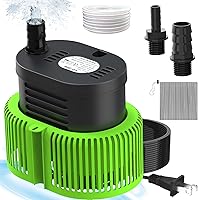
For standing water, compare the best pool cover pumps and follow the pump instructions. Keep electrical equipment away from water except as directed by its safety instructions.
What cover accessories are worth buying?
Useful pool cover accessories include reels, pumps, anchors, winches, cables, clips, cover wraps, water weights and leaf nets. The right accessory depends on how the cover attaches and how often you remove it.
A reel is most useful for a solar cover that comes off regularly. It supports the weight of the cover and helps two people keep it straight while moving it off the water.
Hand handling a large floating cover can lead to dragging. That can pull it across rough edges and place stress on the material over time.
A reel spreads the work and makes storage neater.
A pump helps manage water on a solid cover. Standing water adds weight and can stretch seams, grommets and attachment points.
Removing it soon after rain can reduce that strain.
Choose a pump that suits the cover and the pool layout. Place it carefully and keep electrical parts away from water except as directed in the pump instructions.
Never step onto the cover to reach the water.
Anchors and springs support some inground safety covers. They need a suitable deck and correct placement around the pool shape.
A poor anchor point can leave gaps, so check deck condition before relying on them.
Cables and winches secure many above-ground winter covers. The cable runs through grommets around the edge and the winch pulls it tight.
Tighten it evenly so the cover sits centered with even overlap.
Clips and cover wraps can add extra hold for some winter setups. They are additions, not replacements for the main cable system.
Follow the cover maker guidance on where they fit and how much tension to use.
Water weights can suit some deck installations, but they must be used as directed. Vinyl water weights are designed to sit on the cover without sharp contact.
Do not substitute sharp or unstable objects that could damage the cover.
A leaf net adds a useful layer in fall. It catches dry leaves before they soak up water and grow heavy on the main cover.
Lifting it gently can make weekly cleanup much simpler.
Test each accessory against your routine. If you remove the cover often, handling tools matter more.
If the pool stays closed for months, securing and water management tools matter more.
See the best pool cover accessories for tools that support installation, cleaning and storage.
What mistakes should you avoid?
Avoid choosing a cover by pool width alone. The most common problems come from a wrong shape, too little overlap, poor attachment, unsafe debris removal or storage while the cover is still wet.
Other mistakes include:
- Using a solar cover as a safety cover
- Treating a winter cover as a swimming-season cover
- Ignoring steps, ladders or raised pool features
- Pulling a cover over sharp deck edges
- Leaving standing water without a safe removal plan
- Tightening cables unevenly
- Installing anchors without checking the deck
- Storing a cover while damp
- Letting branches or heavy debris remain in place
- Assuming a cover replaces supervision, fencing or local safety measures
A cover works best as part of a care routine. Inspect it before installation, after severe weather and before storage.
Explore pool covers by topic
- Best Blue Wave Pool Covers
- Best VEVOR Pool Covers
- Best Solar Pool Cover Reels
Use these topic guides when you want a closer look at a brand or a handling option. Each one helps narrow the choice before you compare size, material and attachment method.
How do you choose the right swimming pool cover?
Choose the cover by matching the pool, the season and the main risk. A solar cover fits regular seasonal use, a safety cover fits access protection, a winter cover fits off-season closure and a leaf net fits heavy fall debris.
Start with the main risk you want to reduce. Heat loss and evaporation point toward a solar cover.
Access by children or pets points toward a safety cover designed for that purpose. Snow, ice and winter debris point toward a winter cover.
Then match the pool itself. Above-ground pools often need overlap, cables, winches or weights.
Inground pools often need anchors, springs or straps, and the deck layout shapes the fit.
Pick an above-ground winter cover with enough overlap and a suitable cable or weight system. Make sure the cover can float loosely on the water and sit over the top rail without excessive stress.
Pick an inground safety cover only after measuring the pool and deck features. Record corners, steps, ladders and raised walls.
A close fit and correct anchor placement matter more than a general size label.
Pick a solar cover with a reel if daily removal would otherwise become a chore. Consistent use matters, so choose a setup you can handle without dragging the cover across sharp edges.
Consider care as part of the choice. Some covers need a pump for standing water.
Some need pillows, clips or wraps for winter. Some need regular brushing, rinsing and full drying before storage.
Avoid treating one type as a substitute for another. A solar cover is not a safety barrier.
A winter cover is not meant for swimming season debris use. A leaf net helps in fall but does not replace a winter cover.
The best swimming pool covers are the ones you can fit correctly, secure fully and maintain through the season. Measure before ordering, follow the cover installation instructions and choose the type that matches your actual routine.
Frequently asked questions
What type of swimming pool cover is best?
The best swimming pool cover depends on the job. Choose a safety cover when preventing access is the main concern, a solar cover when reducing evaporation and keeping heat in matters most, or a solid winter cover for off-season protection from snow, ice and debris.
Match the cover to your pool shape and measured size.
What is the difference between a solar cover and a winter cover?
A solar cover is designed for seasonal use on the water and helps reduce heat loss and evaporation. A winter cover is designed for the off-season and uses tie-downs, anchors, cables or weights to stay in place.
These covers serve different purposes, so one usually cannot replace the other.
Do swimming pool covers keep pools clean?
Swimming pool covers can reduce leaves, dirt and other debris entering the water, but they still need care. Remove standing water where the cover design allows, clear heavy debris safely, inspect attachment points and clean the cover before storage.
A cover lowers maintenance work but does not eliminate it.
How do I measure for a pool cover?
Measure the pool at its widest points, including the outside edge or top rail where the cover will sit. For irregular pools, measure each section and check the cover maker's sizing method.
Include the required overlap for winter covers, and account for steps, ladders, raised walls and nearby decking.
Can a pool cover replace a fence?
A pool cover should not automatically be treated as a replacement for a fence, gate or other layers of protection. If child or pet access is a concern, choose a cover specifically designed and rated for that purpose, follow its installation instructions and check local safety requirements before relying on it.