8 Best Polaris Pressure Pool Cleaners (November 2026)
The best Polaris pressure pool cleaners include the Polaris Vac-Sweep 280 Pressure-Side In-ground Pool Cleaner for a booster-pump setup, the Polaris Vac-Sweep 360 Pressure-Side Cleaner for In-Ground for avoiding a booster pump, and the Polaris Vac-Sweep 3900 Sport Pressure Side Pool for a larger debris bag.
On this page (5 sections)
The best Polaris pressure pool cleaner depends on your pump and return-line setup: choose the 360 to avoid a separate booster pump, the 280 for a 2.25 in inlet and debris bag, or the 3900 Sport for its larger 2.5 in inlet and 5 L bag. The other picks below are suction-side or robotic alternatives, not pressure-side models.
A pressure cleaner can collect leaves and other debris in its own bag, but the pump connection matters as much as the cleaner. We compared the Polaris pressure models by how they get propulsion and where debris goes, then included other options for shoppers whose pool setup or cleaning priorities point elsewhere.
For a broader shortlist, see our best pressure side pool cleaners. If you have an inground pool, compare the best pressure side inground pool cleaner options as well.
Our picks at a glance
-
1
 Best for a booster-pump setup
Polaris Vac-Sweep 280 Pressure-Side In-ground Pool Cleaner
9.5/10 our score
See it on Amazon -
2
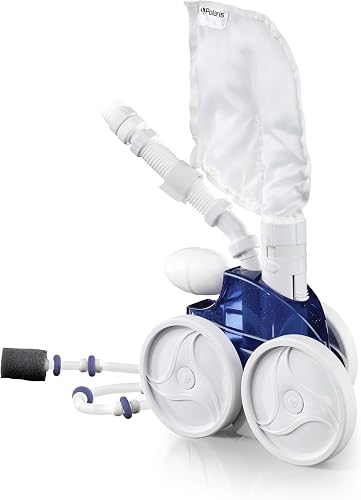 Best for avoiding a booster pump
Polaris Vac-Sweep 360 Pressure-Side Cleaner for In-Ground
9.3/10 our score
See it on Amazon -
3
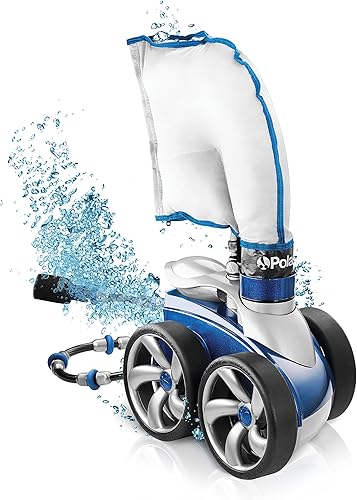 Best for a larger debris bag
Polaris Vac-Sweep 3900 Sport Pressure Side Pool
8.6/10 our score
See it on Amazon
- 4
 Check it
Polaris Freedom Plus Cordless Robotic Pool Cleaner
Best for cordless cleaning - 5
 Check it
Zodiac MX6 Suction-Side In-Ground Pool Cleaner
Best for suction-line cleaning - 6
 Check it
Polaris MAXX Premium Suction-Side Automatic Pool Cleaner
Best for scrubbing with suction - 7
 Check it
Polaris PCX 868 iQ Smart Robotic Pool
Best for app-controlled cleaning - 8
 Check it
Polaris Lynx Automatic Suction Pool Cleaner
Best for low-flow suction setups
Which Polaris pressure pool cleaner fits your setup?
The Vac-Sweep 280 is the clearest match for a booster-pump system, while the 360 is the pressure-side choice that avoids a separate booster pump. The 3900 Sport makes sense when its larger inlet and bag match your debris load.
Polaris Vac-Sweep 280 Pressure-Side In-ground Pool Cleaner: Best for a booster-pump setup
- Requires a separate booster pump
- 2.25 in inlet
- Single-chamber debris bag
- 31 ft feed hose
The 280 uses a booster pump and collects debris in its own bag. Its large inlet is suited to leaves, acorns and pebbles.
Pros
- Large debris inlet
- Collects debris before it reaches the pool filter
- Sweeps and scrubs the floor and walls
Cons
- Needs a separate booster pump
- Requires a dedicated return line
The 280 is the most direct choice when your pool already has a booster pump and dedicated return line. Its dual venturi jets create vacuum power, and the 2.25 in inlet helps it pick up leaves, acorns and pebbles.
A separate single-chamber bag collects debris before it reaches the pump basket or filter. That can reduce the amount of large debris entering the pool filtration system, while the cleaner sweeps and scrubs the floor and walls.
It comes with a 31 ft feed hose and an in-line backup valve that helps free the cleaner if it gets cornered. Polaris says it can clean an inground pool in 3 hours or less, but that claim doesn't replace checking whether your plumbing and booster pump are suitable.
Choose the 280 if you want a bag-equipped pressure cleaner and have the required pump connection. If you need to add a booster pump or pressure line, include that setup work in your decision.
Polaris Vac-Sweep 360 Pressure-Side Cleaner for In-Ground: Best for avoiding a booster pump
- No separate booster pump
- Three venturi jets
- 2.25 in inlet
- 31 ft feed hose
The 360 runs on pressure from the pool return line and collects debris in its own bag. Check that your return-line setup can provide the right connection.
Pros
- Does not need a separate booster pump
- Large debris inlet
- Bag keeps collected debris away from the pool filter
Cons
- Needs a suitable dedicated or retrofitted return line
- Not compatible with a dedicated pressure line and booster pump
The 360 suits a pool where you want pressure-side cleaning without a separate booster pump. It runs from water pressure at the pool's return line and collects debris in its own bag.
Its three venturi jets work with a 2.25 in inlet to pick up larger debris, and the 31 ft feed hose gives you a starting point for checking reach. The filter bag helps keep captured debris out of the pool pump basket and filter.
The 360 needs a dedicated cleaner return line or a standard return line retrofitted for proper propulsion. It isn't compatible with a dedicated pressure line and booster pump, so confirm which plumbing arrangement your pool has before choosing it.
For a deeper look at the model, see our Polaris 360 pool cleaner reviews. The right fit still depends on your return-line setup.
Polaris Vac-Sweep 3900 Sport Pressure Side Pool: Best for a larger debris bag
- Requires a booster pump and pressure-line connection
- 2.5 in inlet
- 5 L dual-chamber SuperBag
- 31 ft feed hose
The 3900 Sport combines a 2.5 in inlet with a 5 L dual-chamber bag for large debris loads. It needs a booster pump and pressure-line connection.
Pros
- Largest inlet among these pressure-side picks
- Large dual-chamber bag
- Includes TailSweep PRO accessory
Cons
- Requires a booster pump
- Needs a dedicated pressure line
The 3900 Sport is aimed at pools where larger debris loads call for a bigger inlet and bag. Its 2.5 in inlet is the largest among the pressure-side models in this roundup, and its 5 L dual-chamber SuperBag gives leaves, acorns and pebbles space to collect.
It uses triple venturi jets and all-wheel PosiDrive, and the cleaner sweeps and scrubs the floor and walls. The 31 ft feed hose connects to a dedicated pressure line, and the cleaner requires a booster pump.
The included TailSweep PRO accessory is designed to prevent the sweep hose from spraying windows and walkways. That detail may matter if the pool sits close to the house or a patio.
Choose it when its capacity and inlet fit your debris pattern and your pool has the required pump and line. If you don't have a booster pump, compare the 360 before selecting a pressure cleaner.
How do pressure-side pump requirements differ?
The pressure source separates these Polaris pressure cleaners: the 360 uses return-line pressure, while the 280 and 3900 Sport require a separate booster pump. Confirm your pool's plumbing before comparing debris features.
| Model | Pressure source | Connection to check | Debris handling |
|---|---|---|---|
| Vac-Sweep 280 | Separate booster pump | Dedicated return line | Single-chamber bag, 2.25 in inlet |
| Vac-Sweep 360 | Pool return-line pressure | Dedicated or retrofitted return line | Single-chamber bag, 2.25 in inlet |
| Vac-Sweep 3900 Sport | Separate booster pump | Dedicated pressure line | 5 L dual-chamber bag, 2.5 in inlet |
The term “pressure-side” describes how water pressure powers the cleaner. It doesn't mean every model uses the same line or pump, so have the connection checked if you're unsure.
Our guide to how a pressure-side pool cleaner collects debris explains the bag and water-flow path. For the broader cleaner categories, see how automatic pool cleaners work.
When should you choose a suction-side or robotic alternative?
Choose a suction-side or robotic cleaner when your pool setup or debris routine doesn't fit a pressure-side model. These alternatives use different connections and debris storage, so compare them separately from Polaris pressure cleaners.
The Zodiac MX6 connects to a dedicated suction line or the skimmer and sends debris to the pool filtration system. It has a 32 ft hose, and its hydraulic drive powers navigation and climbing when set to proper flow.
The Polaris MAXX is a suction-side option with active scrubbing brushes and HALO technology for fine and larger debris. It is designed for routine maintenance, not initial cleanup after construction, resurfacing or seasonal opening.
The Polaris Lynx is another suction-side choice, with 39 ft of hose and a design intended to work with low-speed and variable-speed pumps. It sends debris to the filtration system and has no onboard bag or canister to empty.
For a cordless option, the Polaris Freedom Plus uses a lithium-ion battery and includes a charging caddy, remote and app controls. The PCX 868 iQ is a corded robotic cleaner with app control, a removable filter canister and a waterline lift system.
If you're weighing suction against pressure, our guide to how a suction-side pool cleaner moves explains the different connection and debris path.
How should you choose a Polaris pressure cleaner?
Choose by pump requirements first, then match the inlet and bag to the debris you expect to collect. A cleaner that doesn't fit the pool's return line or pump setup won't be a practical choice, even if its debris features look appealing.
- Choose the 360 if you want pressure-side cleaning without a separate booster pump and your return line can support its connection.
- Choose the 280 if you have a booster pump and want a 2.25 in inlet with a debris bag.
- Choose the 3900 Sport if you have a booster pump and value its 2.5 in inlet and 5 L dual-chamber bag.
If plumbing details are unclear, ask a pool professional to identify the line and confirm the cleaner's required setup before buying. Also consider where the bag will be easiest to reach for emptying.
What is the best Polaris pressure pool cleaner for your pool?
The best Polaris pressure pool cleaner is the 360 when you want to use return-line pressure without adding a separate booster pump. Pick the 280 for its 2.25 in inlet and bag, or the 3900 Sport when the larger inlet and 5 L bag better fit your debris load.
Your pump and line determine which pressure-side models are compatible. If your pool lacks the needed pressure-side setup, compare the suction-side and robotic options above, or start with the best pressure side pool cleaners guide.
Our top 3 picks at a glance
-
1
Best for a booster-pump setup
Polaris Vac-Sweep 280 Pressure-Side In-ground Pool Cleaner
9.5/10 our score
See it on Amazon -
2
Best for avoiding a booster pump
Polaris Vac-Sweep 360 Pressure-Side Cleaner for In-Ground
9.3/10 our score
See it on Amazon -
3
Best for a larger debris bag
Polaris Vac-Sweep 3900 Sport Pressure Side Pool
8.6/10 our score
See it on Amazon
Frequently asked questions
Does every Polaris pressure-side cleaner need a booster pump?
No. The Vac-Sweep 360 uses pressure from the pool's return line and does not need a separate booster pump.
The 280 and 3900 Sport do need one.
Check your existing plumbing and pump setup before choosing, since the 360 also needs a suitable dedicated or retrofitted return line.
Which Polaris pressure cleaner is best for leaves and acorns?
The Vac-Sweep 280 has a 2.25 in inlet and a single-chamber bag for leaves, acorns, pebbles and other debris. The 3900 Sport has a 2.5 in inlet and a 5 L dual-chamber bag.
Consider both inlet size and bag capacity if your pool collects large debris often.
How does a pressure-side cleaner collect debris?
A pressure-side cleaner uses water returning to the pool to move and create suction, then captures debris in a bag attached to the cleaner. That keeps collected material away from the pool pump basket and filter.
The pressure source and connection depend on the cleaner model.
Can I use a Polaris pressure cleaner without a dedicated return line?
The Vac-Sweep 360 can connect to a standard return line that has been retrofitted for its use. Its setup must provide proper propulsion, so ask a pool professional to check the line and fit before you buy.
The 280 and 3900 Sport use a dedicated pressure-line connection.


