Can You Leave a Pool Empty?
You can leave a pool empty for a short time in some situations, but it is usually risky for the structure and surfaces. Plan the drain, protect the equipment, and refill or cover the pool as soon as practical.
On this page (10 sections)
- Can you leave a pool empty safely?
- Why can leaving a pool empty cause damage?
- Can I leave my pool empty while making repairs?
- What pump should you use to drain a pool?
- Which pump suits an above-ground pool?
- When does a higher-flow pump make sense?
- How should you prepare before draining?
- What should you do with the pool equipment?
- Should you leave the pool empty after cleaning?
- What is the safest decision rule?
You can leave a pool empty for a short time in some situations, but it is usually risky for the structure and surfaces. Plan the drain, protect the equipment, and refill or cover the pool as soon as practical.
An empty pool can face pressure from soil, groundwater, sunlight, weather, and its own unsupported walls. The right decision depends on whether you have an above-ground pool, a vinyl liner, a fiberglass shell, or a concrete pool with a finished surface.
Can you leave a pool empty safely?
You should not assume an empty pool is safe to leave for weeks or months. Water inside the pool helps balance outside pressure, while an empty basin can be more exposed to movement, heat, debris, and surface damage.
Above-ground walls and vinyl liners are especially sensitive to being empty. Concrete and fiberglass pools may tolerate draining better in some conditions, but groundwater can still push against or lift an empty shell.
Before draining, review your pool builder's instructions and check local rules for discharge. Water may contain chemicals that cannot be released anywhere you choose.
Why can leaving a pool empty cause damage?
The main risks are movement, liner problems, surface damage, and groundwater pressure. These risks increase when the pool stays empty through rain, heat, freezing weather, or changing soil conditions.
An above-ground pool depends on water pressure to support its wall system and liner. With the water gone, the liner may shrink, fold, or pull away from fittings, while the walls can become more vulnerable to wind and physical impact.
A vinyl liner can also dry out and become harder to fit correctly when the pool is refilled. Avoid dragging tools, hoses, or sharp debris across the exposed liner.
Fiberglass and concrete pools have different construction, but neither should be drained casually. Groundwater beneath or around an inground pool can create upward pressure against the shell.
For background on the equipment used to move water, see our guide to pool pumps and filters. A pool pump circulates and filters water, while a drainage pump is chosen for removing water from the basin.
Can I leave my pool empty while making repairs?
You can leave a pool empty while completing necessary repairs, but the empty period should be as short and controlled as possible. Keep the basin protected, follow the repair instructions, and monitor weather and groundwater conditions.
Drain only as much water as the work requires. If you need to expose the full interior, remove loose debris first and keep ladders, hoses, tools, and materials from scraping the shell or liner.
Do not refill until coatings, patches, fittings, or other repairs have cured according to their instructions. Water added too soon can disturb unfinished work.
If the repair involves the shell, floor, liner, or underground plumbing, professional advice is worth getting before the drain begins. A small mistake can create a larger structural or fitting problem.
What pump should you use to drain a pool?
Use a submersible utility pump with enough flow and lift for the pool, hose route, and discharge point. Keep the pump stable, protect the power connection from water, and never handle electrical equipment with wet hands.
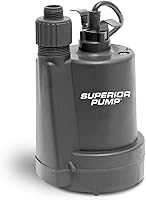
The Superior Pump 91250 is a 1/4 HP thermoplastic submersible utility pump rated for up to 1,800 gallons per hour. It has a 10-foot cord, a 1-1/4 inch NPT discharge, a 3/4 inch garden hose adapter, and a removable suction screen that handles solids up to 1/8 inch.
Its 25-foot maximum lifting height can help when the discharge point sits above the pump, but actual flow changes with the hose path and lift. Check the discharge connection before starting, and keep the suction screen clear of leaves and larger debris.
For another option, compare the best pump to drain a pool based on your pool size and discharge setup.
Which pump suits an above-ground pool?
A portable pump with pool-draining use and a manageable hose connection can suit an above-ground pool. The key checks are flow, lift, hose fit, cord reach, and how the pump sits on the pool floor.
The Green Expert 1/4HP Submersible Sump Pump has a stated flow of 1,800 GPH and a 28-foot maximum head. It is described for pool draining, hot tub water removal, and household drainage, and it includes a 1-1/4 inch hose barb adapter, a 3/4 inch garden hose adapter, and a lifting rope.
The pump is listed as plastic and uses a corded electric power source at 115 volts. The included lifting rope can help you position or remove the pump without pulling on the power cord.
Read our guide to the best pumps to drain an above ground pool if your pool needs a pump that is easy to place and remove.
When does a higher-flow pump make sense?
A higher-flow pump makes sense when the pool is larger, the drain window is short, or the hose route needs more capacity. You still need to confirm the discharge location and avoid sending water where it can damage soil, structures, or neighboring property.
The AQUASTRONG 1 HP Sump Pump 4500 GPH is rated at 4,500 GPH at 5 feet and has a 30-foot maximum lifting height. Its reinforced engineering thermoplastic casing, 10-foot UL power cord, and bottom suction design are intended for water removal.
This pump has a 1-1/4 inch NPT discharge and includes a 1-1/2 inch elbow adapter plus snap coupling adapters for 3/4 inch, 1 inch, or 1-1/4 inch connections. Its bottom suction design removes water down to 1/5 inch from the surface and handles solids up to 1/5 inch.
Higher capacity does not remove the need for planning. A faster pump can discharge water sooner, so verify the route before plugging it in.
How should you prepare before draining?
Prepare the discharge route, pump connections, power source, and pool equipment before water starts moving. A few minutes of setup can prevent a hose from flooding the wrong area or a pump from losing flow.
Switch off the pool circulation system as directed by the equipment instructions. If you need to disconnect equipment, label fittings and keep small parts together so the system can be restored correctly.
Place the drainage hose where the water is allowed to go. Avoid directing water toward the pool wall, foundation, septic area, erosion-prone soil, or a neighbor's property.
Measure the distance and height from the pump to the discharge point. A pump's maximum lift is not the same as its flow at every hose length.
What should you do with the pool equipment?
Protect the circulation equipment from running dry and keep the pump, filter, and plumbing organized during the drain. Draining the pool does not automatically mean every piece of equipment should be removed or disconnected.
A pool pump and filter perform different jobs. Our guide to pool pump vs pool filter explains which component moves water and which one removes suspended debris.
If the pool will be empty during equipment work, keep open plumbing protected from dirt and rain. Do not let loose caps, fittings, or hoses sit where they can fall into the basin.
When the pool is ready to refill, inspect the connections before restarting circulation. Use how to set a pool timer to restore a suitable schedule after the system is running normally.
Should you leave the pool empty after cleaning?
Usually, no. An empty pool is not automatically cleaner or easier to maintain than a filled pool.
A filled and balanced pool can continue to protect a liner and support an above-ground wall system. The filtration system can also remove debris when the pump and filter are operating correctly.
If the pool needs a deep cleaning, drain only when the surface, equipment, or repair instructions require it. Afterward, remove debris, complete the work, and refill according to the pool and product instructions.
For filtration changes after refill, see the best glass filter media for a pool filter and the best filters for above-ground pools.
What is the safest decision rule?
Drain a pool only for a clear reason, keep it empty for the shortest practical time, and plan the refill or repair before starting. Above-ground pools and vinyl liners need extra care, while inground pools require attention to groundwater and shell movement.
Choose the Superior Pump 91250 when a 1/4 HP pump, 1,800 GPH flow, and 25 feet of lift fit the drain route. Choose the Green Expert when its pool-draining use, 28-foot lift, and included adapters match an above-ground setup.
Choose the AQUASTRONG when the higher 4,500 GPH rating at 5 feet and 30-foot lift suit a faster drain. In every case, confirm the discharge rules and protect the pool structure before removing the water.
If you need an inground pool drain plan, read how to drain an inground pool before choosing the pump or opening a drain line.
Frequently asked questions
Can you leave a pool empty for the winter?
You can, but leaving a pool empty for winter can expose the shell, liner, finish, plumbing, and surrounding ground to avoidable risks. Follow the pool builder's guidance, check local drainage rules, and use a proper winterizing plan instead of assuming an empty pool is safer.
Can an above-ground pool be left empty?
An above-ground pool generally should not sit empty for an extended period because the water supports the walls and liner. If draining is necessary, remove water with the correct pump, protect the liner from sharp debris, and follow the manufacturer's storage or reassembly instructions.
How long can you leave a pool empty?
There is no safe universal time limit because pool type, soil, weather, liner, finish, and groundwater all change the risk. Treat an empty pool as a temporary work area, keep it protected from rain and debris, and ask a pool professional before leaving it drained.
What should you do before draining a pool?
Before draining, confirm where the water can go, check local rules, identify the pool type, and plan for the pump, hose, power, and equipment shutdown. Mark drains and fittings, remove loose items, and decide how you will protect the empty shell while work is underway.