What Color Should Pool Filter Sand Be?
Pool filter sand is usually light tan, beige, or off-white. Color can change with dust, oils, debris, moisture, or contamination, so inspect the sand's condition before replacing it.
On this page (9 sections)
- What color should pool filter sand be?
- Why does pool filter sand change color?
- Is tan or brown sand still usable?
- What does black pool filter sand mean?
- Which replacement sand color should you buy?
- Can beach sand go in a pool filter?
- How do you check sand before replacing it?
- Does filter type affect the sand question?
- What is the simple rule for pool filter sand colors?
Pool filter sand is usually light tan, beige, or off-white. It may look darker when wet or after collecting dust, oils, hair, and other debris, but black, foul-smelling, clumped, or unusually dirty sand deserves closer inspection.
That first look is a starting point, not a final answer. Clean silica sand can vary a little by source, and a wet filter bed will almost always appear darker than the same sand once it dries.
Color becomes more useful when you read it alongside the rest of the system. Check whether the grains still feel loose and granular, whether the pressure gauge is in its normal range, and whether the return water comes back clear.
Cleaning history matters too. A bed that has trapped normal seasonal debris may look gray or brown on the surface, while a bed that has slowly channelled or packed down can look pale yet perform poorly.
Do not open a filter to chase a shade alone. Turn the pump off, relieve pressure as directed, and inspect the sand only when it is safe to do so.
If the color change is modest and performance is normal, cleaning and observation are usually the sensible next steps. If darkening arrives with odor, slime, clumps, or cloudy water, treat it as a signal to inspect the full circulation and water balance before buying replacement media.
What color should pool filter sand be?
Clean pool filter sand is commonly pale tan, beige, cream, or off-white. Natural silica sand can vary slightly by source, so a small difference in shade does not automatically mean the media is wrong.
Wet sand often looks darker than dry sand. A filter bed can also appear gray or brown after it traps dirt and other particles from the pool.
Look at the sand under good light after the filter is off and the tank is safe to open according to its instructions. Compare the color across the bed instead of judging one damp spot near the surface.
Pool filter sand should have a loose, granular appearance. It should not look like a solid layer of mud, thick grease, or hard clumps.
Why does pool filter sand change color?
Pool filter sand changes color because it collects material removed from the pool water. Dust, leaves, hair, sunscreen oil, and small particles can make pale sand look gray, tan, or brown over time.
Moisture also changes how sand reflects light. Sand that looks dark inside a wet filter may look much lighter after it dries, so do not diagnose the media from color alone.
Poor water balance, algae growth, or debris entering the filter can add more discoloration. A rising pressure reading, cloudy return water, or repeated need for backwashing may matter more than a modest color change.
If you are reviewing the whole system, start with a guide to pool pumps and filters so you can match the sand filter's condition with its circulation and cleaning needs.
Is tan or brown sand still usable?
Tan or lightly brown sand may still be usable if it remains loose and the filter performs normally. Check the pressure gauge, return water, backwash flow, and pool clarity before deciding to replace it.
Sand that has trapped normal debris will not stay bright white. A backwash and rinse cycle may remove some of the material, but follow the filter's instructions for the correct procedure and duration.
Do not stir or remove filter sand while the pump is running. Turn off the equipment and relieve pressure before opening or servicing the filter.
If the sand is greasy, tightly packed, foul-smelling, or covered with dark material, cleaning may be more useful than judging its color. Our guide explains how to use pool sand filter cleaner and when that type of maintenance fits the problem.
What does black pool filter sand mean?
Black pool filter sand usually means the media has collected heavy contamination or the pool has another water-quality problem. Organic debris, algae-related material, oils, and dirt can all make the bed look much darker.
Black sand is not always proof that every grain needs replacement. Check whether the discoloration is loose surface material, a wet appearance, or a deeper change throughout the filter bed.
Smell the filter area only from a safe distance and avoid leaning into an open tank. A strong odor, slimy texture, repeated cloudy water, or poor circulation calls for a closer system check.
For a more focused explanation, read why pool filter sand can be black. That can help separate a color issue from a filter-cleaning or pool-water issue.
Which replacement sand color should you buy?
Choose pool filter media made for your sand filter, even if its dry color is not exactly the same as the old sand. Grain grade, cleanliness, and the required fill amount matter more than matching a shade.
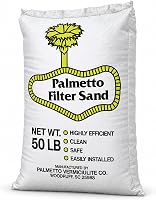
Palmetto Pool Filter Sand for Swimming Pools is a 50 lb bag of natural silica with 20-40 sieve pool filter sand. Its title identifies it as pool filter sand for swimming pools, so it is the relevant type of product for readers replacing media in an above-ground or inground sand-filter setup.
Before adding any replacement sand, confirm the filter's required grade and quantity. Do not estimate the fill level from color, and do not mix products simply because their shades look similar.
Pool filter media can also use materials other than sand. Compare the best pool filter media if you are deciding whether to stay with sand or consider another filter-media type.
Can beach sand go in a pool filter?
Do not use play sand or sensory beach sand as pool filter media unless the filter manufacturer specifically approves it. Pool filters need media suited to the filter bed, while products made for play are intended for a different purpose.
Kinetic Sand 3.25lb Beach Sand Amazon Exclusive is brown 3.25 lb sand made for sensory play. It is described as reusable, moldable sand for children ages 3 and up, and it comes as one 3.25 lb pack.
Its brown color may resemble some wet or dirty filter sand, but color does not make it suitable for filtration. The small pack size also does not represent a normal pool-filter replacement quantity.
Use a pool-specific media instead. If your filter needs a different material, review which pool filter sand alternative to choose before changing the media.
How do you check sand before replacing it?
Check the sand's color, texture, smell, filter pressure, and water performance together. This gives you a better answer than looking at the surface alone.
Use this inspection order:
- Turn off the pump and relieve pressure as directed.
- Inspect the visible sand for loose grains, clumps, slime, or heavy debris.
- Check whether the sand has an unusual odor.
- Review the pressure gauge against the filter's normal operating range.
- Look at the pool water and return flow.
- Backwash or clean the filter according to its instructions.
- Replace the media if cleaning does not restore normal performance or if the sand is damaged or badly contaminated.
Avoid digging through the bed with a sharp tool. You could damage internal filter parts or disturb the laterals beneath the media.
A sand filter works as part of the full circulation system. A timer can help maintain a consistent pump schedule, so compare the best Wi-Fi pool pump timers if remote scheduling fits your setup.
Does filter type affect the sand question?
A DE filter or cartridge filter does not use the same sand bed as a traditional pool sand filter. Confirm your filter type before buying any replacement media.
A DE filter uses diatomaceous earth rather than pool filter sand. If you have an above-ground pool and are considering DE, read how to choose a DE filter for an above-ground pool first.
A robotic pool cleaner also handles filtration differently from a sand-filter tank. Its basket or internal filter system collects debris during cleaning, so how a robotic pool cleaner filters water can help you compare the two jobs.
What is the simple rule for pool filter sand colors?
Light tan, beige, cream, and off-white are normal starting colors for pool filter sand. Darker wet sand or sand with trapped dirt may still work, while black, slimy, clumped, or foul-smelling media needs investigation.
Keep that rule simple when you shop. The dry shade of a new bag matters far less than whether it is pool filter media, whether the grain grade matches your filter, and whether you add the amount the manufacturer requires.
That is why Palmetto Pool Filter Sand for Swimming Pools fits this job as a 50 lb bag of natural silica with 20-40 sieve grading. It is made for above ground and inground sand filtration systems, while a lookalike shade in a play product does not meet the same need.
Do not choose Kinetic Sand for a filter bed because its brown 3.25 lb material is made for sensory play for ages 3 and up, not for pool filtration. Its color and small pack size say nothing about how it would behave under pressure in a sand tank.
If the color change comes with cloudy water or poor pressure performance, clean and inspect the system before replacing media. Backwashing, water checks, and a look for channeling or heavy debris can tell you whether the sand itself is the problem.
If you still need to choose a different filtration material, start with the guide to best pool filter media. Compare options on the filter design you own, not on color alone, and confirm the grade and fill level before you pour anything in.
Frequently asked questions
What color should pool filter sand be?
Pool filter sand is usually light tan, beige, or off-white when clean and dry. It may look darker when wet or after collecting dust and debris.
Color alone does not confirm that the media is worn out, so also check for clumping, unusual odors, channeling, or poor water clarity.
Can I use regular beach sand in a pool filter?
No, beach sand is not automatically suitable for a pool filter. Pool filter media needs the right grain size and clean, screened material for the filter design.
Use media made for pool sand filters and follow the filter manufacturer's required grade and fill amount.
Why is my pool filter sand turning black?
Black pool filter sand can come from organic debris, algae-related material, oils, dirt, or other contamination. It can also point to a filter or water-treatment issue.
Inspect the sand, backwash as directed, and investigate the water before adding new media.