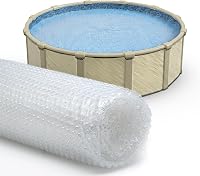
How to Choose a Custom Inground Pool Cover
The best custom inground pool cover matches your pool's exact shape, attachment points, material needs, and safety goals. Measure the finished pool area before comparing solid, mesh, safety, and solar cover options.
On this page (9 sections)
- What should a custom inground pool cover do?
- How do you measure for an inground pool cover custom fit?
- Which material works for custom mesh pool covers?
- Should you choose a custom solar pool cover?
- What is the difference between a custom safety cover and a custom solar cover?
- How should you match the cover to your pool shape?
- Can a custom cover help with pool heating?
- What should you ask before ordering a custom pool cover?
- Is a custom inground pool cover worth it?
The best custom inground pool cover matches your pool's exact shape, attachment points, material needs, and safety goals. It is not simply a larger version of a standard cover.
A careful match at the start saves trouble later when the cover is placed, removed, or stored each season.
Measure the finished pool area before comparing solid, mesh, safety, and solar cover options. The waterline alone does not tell the full story.
Coping, deck height, steps, and fixed fittings all affect how a cover sits and attaches.
A custom fit matters most when your pool has curves, attached steps, tanning ledges, raised walls, an irregular deck, or equipment that affects the cover edge. A rectangle can often use a trimmed cover, while a freeform shape needs a more exact outline.
The more features you have, the less a simple length and width can help.
Start with our guide to swimming pool covers if you need to compare cover types before measuring. That step helps you decide what job the cover must do.
Once you know the job, you can measure in a way that suits that job.
Think about daily use as well as seasonal use. A solar blanket may go on and off often, while a safety or winter cover may stay in place for months.
The right choice depends on how often you will handle it and where you will store it when it is off the pool.
It also helps to note who will use the cover. A cover that one adult can pull across easily may suit a different household than a cover that needs two people or a reel.
Comfort and ease matter, because a hard cover is less likely to be used well.
Being clear about shape, purpose, and handling early makes the rest of the choice simpler. You can then compare materials and attachment methods with a clear sense of what your pool actually needs.
What should a custom inground pool cover do?
A custom inground pool cover should solve your main problem first: safety, debris control, water conservation, heat retention, or winter protection. One cover may help with several tasks, but no floating solar blanket should be treated as a safety barrier.
Choose a safety cover when preventing access to the water is the priority. It attaches around the pool to limit entry and suits homes where child and pet safety matter most.
Choose a solid or mesh winter cover when you need seasonal protection. A solid cover blocks more light and debris, while mesh may let some rain and sunlight through.
Both need a correct fit and a secure way to attach or weight the edge.
Choose a solar cover when warmer water and reduced evaporation matter most. A solar cover floats on the surface and is removed before swimming.
It suits owners who want to keep heat between swims and cut water loss in warm weather.
Our best inground pool covers guide can help you compare general options. Use it to see how cover types are described before you narrow the choice.
For a complex layout, focus on the measured shape and how the cover attaches rather than pool volume alone. Volume does not show where steps, rails, or raised walls sit.
Those details decide how the cover edge must work.
Weather and storage also matter. Wind, rain, and debris can test a loose fit, while bright sun can heat a stored cover left in the wrong place.
Some covers roll or fold away, while others need a reel or a dry shaded spot.
When you set the main job first, the other choices are easier to judge. A custom fit only helps when it serves that main purpose.
How do you measure for an inground pool cover custom fit?
Measure the pool and every feature that changes the cover outline. The longest length and widest width are only starting points for an unusual pool.
Record the following before requesting a quote:
- Longest inside length
- Widest inside width
- Curves and diagonal sections
- Roman ends, angled corners, and kidney-shaped sections
- Attached steps, benches, and tanning ledges
- Ladders, handrails, slides, and diving boards
- Raised walls or spillovers
- Distance from the water edge to the deck
- Existing anchor locations
- Drainage areas where water may collect
For a safety cover, the deck and anchor layout matter as much as the water shape. An installer may need a site drawing or an in-person measurement because the cover must tension against the surrounding deck.
Don't assume an old cover is an accurate template. Deck changes, replaced coping, moved ladders, and added steps can make the old outline unsuitable.
Which material works for custom mesh pool covers?
Custom mesh pool covers suit owners who want a lighter seasonal cover that allows some rain and sunlight through. They still need a correct fit, strong attachment points, and care that matches the manufacturer's instructions.
Mesh can reduce the amount of standing water that collects on top, but it may allow fine debris or sunlight to reach the pool. Solid covers block more light and debris, yet they can require a pump or another way to manage water on the surface.
Read our guide to types of inground pool covers before deciding between mesh, solid, automatic, hard, and solar designs. If you are considering a rigid design, see how to choose a hard inground pool cover for the different trade-offs.
A mesh cover is not automatically a safety cover. Look for a purpose-built safety design with a specified anchor system and clear installation instructions.
Should you choose a custom solar pool cover?
Choose a custom solar pool cover when heat retention and evaporation control matter more than safety or full debris blocking. These covers float on the water and usually need to be removed before swimming.
Solar covers use air-filled bubbles to capture solar energy and help retain warmth. The bubble side faces down toward the water.
A cover can be trimmed around pool fittings, but trimming does not turn it into a safety cover.
Blue Wave 16x32-ft Rectangle Solar Pool Cover
The Blue Wave cover suits a rectangular pool owner who wants clear floating coverage for heat retention and reduced evaporation. Its 16 x 32 ft rectangular size gives you a useful starting shape for a standard rectangular pool.
Use mild soap and water for cleaning, rinse it thoroughly, let it dry, and store it in a cool, dry place. Roll it instead of folding it for storage, and keep it shaded when it is not in use.
This is a practical choice when your pool is close to the stated rectangle and you want a cover that can be placed and removed regularly. It is less suitable when your main need is a certified safety barrier or a winter cover with perimeter anchors.
Sun2Solar Clear 24 ft Round Pool Solar
The Sun2Solar cover suits a round pool owner who wants a clear floating cover that can be trimmed for a closer fit. Its 24 ft round size gives you extra material for shaping around protrusions or a less typical outline.
The cover is designed to help retain heat and reduce evaporation. Keep the bubble side down, remove it before swimming, and hand-wash it when cleaning is needed.
Choose this option when your pool is round, oval, or close enough to a circle that trimming will leave useful coverage. A solar reel is not required, but a reel can make positioning and removal easier.
BigXwell Heavy-Duty Solar Pool Cover 16x32ft
The BigXwell cover suits a rectangular pool owner who wants a thicker blue solar blanket in a 16 x 32 ft size. Its polyethylene material can be cut with scissors to fit different pool shapes.
The cover is intended to help retain heat and reduce evaporation. Hand-wash it with mild detergent, then air-dry it before storage.
Choose it when a heavier rectangular solar cover fits your pool and you want to trim around fixed features. It still floats on the water, so it does not replace a safety cover, hard cover, or anchored winter cover.
What is the difference between a custom safety cover and a custom solar cover?
A custom safety cover attaches to anchors around the pool and is designed to limit access to the water. It sits taut across the opening and fastens to the deck in a set pattern, which is why the deck layout matters so much.
A custom solar cover rests on the surface and helps with heat and evaporation, but it must be removed before swimming. It floats freely and does not anchor to the deck.
Keeping it off the pool during swimming is part of using it correctly.
The two types also place different demands on the owner. A safety cover is installed once and then tensioned or opened according to its instructions.
A solar cover is placed and removed far more often, so ease of handling matters more.
If child and pet safety is the main concern, compare purpose-built options in our guide to best inground pool safety covers. Look beyond the material to how it is meant to be fitted.
Check installation requirements, supported load, anchor spacing, and maintenance instructions.
Do not treat a loose mesh sheet or a floating blanket as the same thing. A cover must be designed and rated for the task you expect from it.
If the rating is unclear, it is safer to assume it is not a safety cover.
For a clear floating cover, our best clear pool covers for inground pools guide focuses on heat and visibility trade-offs. Clear material lets sunlight reach the bubbles and water differently than a blue cover.
It still does not anchor or secure the pool.
For mesh-specific choices, see best mesh pool covers. Mesh can be lighter and may drain rainwater more readily, but it can also let fine debris and sunlight through.
A mesh safety cover is a different product from a plain mesh sheet.
Choosing between these options comes down to the risk you want to manage. Heat and evaporation point toward a solar cover, while access control points toward an anchored safety cover.
How should you match the cover to your pool shape?
Match the cover style to the shape that is easiest to measure and support. A simple rectangle may work with a trimmed solar blanket, while a pool with multiple curves and attached features usually needs a measured custom safety or winter cover.
Use these guidelines:
- Rectangle: Measure both long sides and both short sides, then check every corner and attachment.
- Oval or kidney shape: Record several width points along the length, not only the widest section.
- Freeform shape: Use a professional template or measuring service.
- Attached steps: Include the step outline and confirm whether the cover goes over or around it.
- Raised features: Ask how the cover will clear the feature without creating a gap.
- Uneven deck: Confirm where anchors can be installed and how the edge will tension.
Don't stretch a cover across a feature that was not included in the measurements. Extra tension can affect the fit, anchor points, and cover life.
Can a custom cover help with pool heating?
A custom solar cover can help retain heat and reduce evaporation, especially when it covers most of the water surface. The bubbles trap solar energy during the day and slow heat loss later.
That effect is strongest when the cover is on the water in sun and stays in place between swims.
It works with sunlight and does not provide the same function as a powered heater. A solar cover does not create heat on its own.
It helps the pool use the heat it already receives, which is a different and more limited role.
Read do solar covers heat pools to understand how bubble placement, sunlight, surface coverage, and removal affect everyday use. Bubble side down is the usual setup, because the bubbles face the water and help transfer heat.
If the cover is flipped, it will not work as intended.
Surface coverage also matters. A cover that leaves large areas open will let heat escape from those areas.
Trimming should aim for a close fit without stretching the material or creating gaps around fittings. A snug fit helps more than extra weight on top.
Keep expectations realistic on cloudy days and during cool weather. With less sun, there is less energy to capture and retain.
A solar cover can still reduce evaporation, but it cannot make up for a lack of warm weather.
Use a solar cover when you want a passive heat aid between swims. It suits owners who swim regularly and do not mind placing and removing it.
A reel can make that routine easier, especially on a larger pool.
Pairing it with a separate safety cover is a different setup, because the two covers serve different purposes. You would need a plan for switching between them and storing the one that is not on the pool.
That extra handling may not suit every household.
Seasonal use also affects the benefit. In spring and fall, even a modest gain in warmth can extend the swimming season.
In peak summer, the main gain may be reduced evaporation and slightly warmer water between uses.
Judged in that way, a solar cover is a practical support, not a heating system. It works best when you understand its limits and use it as part of a wider care routine.
What should you ask before ordering a custom pool cover?
Ask how the cover will be measured, where it will attach, what material is used, and what the cover is designed to do. Get the answer in writing when your pool has unusual steps, raised walls, or an irregular deck.
If you have an automatic cover, see how to choose replacement pool cover keys and switches.
Confirm these points:
- Is the cover a safety cover, winter cover, solar cover, or another type?
- Will the supplier measure the pool, or must you provide a template?
- Are anchors included, and can your deck accept them?
- How are steps, rails, ladders, and spillovers handled?
- How should rainwater be removed?
- What cleaning and storage routine does the material require?
- What happens if the finished cover does not match the approved measurements?
- Is the cover intended for year-round use or seasonal storage?
A clear answer to these questions can prevent a cover that fits the water shape but fails around the deck or permanent features.
Is a custom inground pool cover worth it?
A custom inground pool cover is worth considering when your pool shape, safety needs, or deck layout make standard sizing unreliable. The best choice depends on the job: choose an anchored safety cover for access protection, a mesh or solid seasonal cover for winter care, or a trimmed solar cover for heat and evaporation control.
For a rectangular pool, the Blue Wave and BigXwell options offer 16 x 32 ft starting sizes. For a round pool or a shape that needs trimming, the Sun2Solar 24 ft cover gives you a round starting point.
Measure first, identify the main purpose, and treat custom fit as more than a length and width. That process will help you choose a custom inground pool cover that works with the pool, deck, fittings, and care routine you actually have.
Frequently asked questions
What is the best material for a custom inground pool cover?
The best material depends on the job. Mesh can reduce standing water and let some sunlight through, while solid covers block more debris and may need a pump.
Solar bubble covers help retain heat and reduce evaporation, but they are not a substitute for a safety cover.
How do I measure for a custom inground pool cover?
Measure the pool's longest length and widest width, then record each curve, corner, step, ladder, diving board, and raised feature. For a safety cover, the installer also needs the deck layout and anchor locations.
Use a professional measuring service for unusual shapes or permanent fittings.
Are custom mesh pool covers safe?
A custom mesh pool cover can be a safety option when it is designed, anchored, and rated for that purpose. Check the manufacturer's instructions, anchor system, fit, and supported load.
A loose or improvised mesh sheet should not be treated as a safety cover.
Can a solar cover be custom cut for an inground pool?
Many floating solar covers can be trimmed to match an unusual pool shape, but they are heat-retention covers rather than safety covers. Cut the material carefully around fixed fittings, keep the bubble side facing the water, and remove it completely before anyone swims.