How to Get Water off a Pool Cover
Use a pool cover pump or siphon to remove standing water from the cover, then check the cover's slope, support, and drainage setup to reduce repeat pooling. Keep electrical connections dry and follow the pump's instructions.
On this page (7 sections)
- What is the best way to remove water from a pool cover?
- Can you remove water from a pool cover without electricity?
- When should you use an automatic pool cover pump?
- How do you keep water off a pool cover?
- How should you use a pool cover pump safely?
- What should you do after draining the cover?
- Which method is right for your pool cover?
Here's how to get water off a pool cover: remove leaves and debris, place a pool cover pump or siphon on the deepest area, direct the discharge away from the pool, and watch the water level as it drains. Keep electrical connections dry and use only equipment suited to the cover.
Start with a slow look across the cover before you move any equipment. Leaves, twigs, and grit often sit right where water gathers, and they can block a pump intake or stop a siphon from starting cleanly.
Use a pool-safe leaf net or a soft tool to lift debris off the surface. Work gently so you do not drag sharp edges across the material or push hidden grit into seams and straps.
Standing water adds weight and can collect more debris. Removing it after heavy rain also makes it easier to inspect the cover, straps, supports, and nearby drainage.
A loaded cover can sag more each time water is left to sit. That extra weight may stretch fabric, pull on hardware, and make the next puddle deeper than the last one.
Place the pump or siphon in the deepest part of the pooled area. Keep the unit stable, then route the hose so discharge lands well away from the pool, the cover edge, and any low ground that feeds back toward the cover.
Watch the water level while the cover drains. Covers often sag or ripple as the load shifts, so a pump that began in a deep pocket may end up on a shallow film.
Keep plugs, sockets, and hose connections away from standing water. Follow the equipment instructions for depth, power, and removal, and stop to clear debris if flow slows.
For a broader look at cover materials, fit, and protection, see our guide to swimming pool covers.
Once the surface is mostly clear, walk the cover again and check straps, supports, and drainage paths. A short check after each storm can catch small fit problems before they turn into repeat pooling.
What is the best way to remove water from a pool cover?
A pool cover pump is the most practical choice for repeated water removal, while a manual siphon suits simple jobs without electricity. Your choice depends on how often water collects, how much water is present, and whether a power source is safely available.
Start by clearing leaves and branches from the cover with a pool-safe leaf net or another tool that won't tear the material. Do not drag sharp debris across the cover.
Place the pump where water has gathered. Route the outlet hose to a spot that will not wash soil toward the pool or send water against the foundation.
Readers comparing powered options can review our guide to best pool cover pumps before choosing a setup.
How do you get water off a pool cover with a pump?
Set the pump in the pooled water, connect the discharge path, and monitor the process until the cover is mostly drained. Keep the pump stable and follow its instructions for water depth, power, and removal.
A corded pump needs a safe electrical connection that stays away from the water. Do not handle plugs or connections with wet hands, and do not place a power connection where runoff can reach it.
A pump may leave a shallow film of water because covers can sag or have uneven areas. Remove the remaining water only with a method that won't scrape, puncture, or stretch the cover.
Which pump fits a small pool cover?
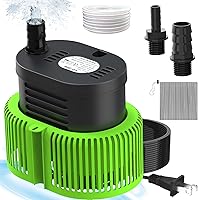
A compact pump can suit a reader who wants a smaller setup for routine pooling. The AgiiMan 850GPH Pool Cover Pump has a 75 W corded electric motor, a 25 ft power cord, a 16 ft anti-twist drainage hose, and a listed maximum drainage rate of 850 gallons per hour.
Its ABS shell and mesh screens on all 4 sides are designed around water entry and outdoor use. The pump is 16 x 4 x 4 in and weighs 2 lb, so its size may suit covers where a larger pump would be awkward.
The AgiiMan uses 110 V and 75 W power, with a listed maximum water temperature of 95°F and IPX8 waterproof level. Check the cover area and discharge route before placing it in service.
Can you remove water from a pool cover without electricity?
Yes, a manual siphon can remove water without electricity or batteries when you can start and maintain the siphon correctly. It is a simple option for seasonal use, small areas, or locations without a safe nearby outlet.
The SWIMLINE Cover Pump for Above Ground Pools is a manual cover siphon made from plastic. It is listed as a round, 12 ft model with a 144 x 120 in item dimension, and it weighs 3.2 lb.
Place it on the pooled water and follow the supplied operating instructions to start the siphon. Direct the water away from the pool and check the discharge area so it does not create another drainage problem.
SWIMLINE describes this model for winter water removal and freezing-damage prevention. It also has UV-resistant, waterproof, and weather-proof features listed for the product.
A manual siphon may be less convenient when storms create frequent or deep pooling. Choose it when avoiding a power cord matters more than automatic operation.
When should you use an automatic pool cover pump?
An automatic pump helps when water collects often and you want the pump to respond when the water reaches its activation level. It can reduce routine checks, but you still need to inspect the cover and confirm the discharge path works.
The Acquaer 1/4 HP Automatic Swimming Pool Cover Pump has a 1/4 HP motor, a listed flow rate of 2,250 gallons per hour, and a 25 ft three-prong power cord for a standard 115 V wall outlet.
Its automatic switch turns on when water reaches 2 in. It runs for about 60 seconds after the water falls to about 2/5 in, then turns off according to the product details.
The pump has a bottom-suction design, a strainer base, a 3/4 in garden hose adapter with check valve, and a 1-1/4 in NPT discharge. It is 12.4 x 7.9 x 17.5 in and weighs 12.2 lb.
The larger size and 12.2 lb weight may suit readers who want higher listed flow, but they also make placement and storage more demanding than a compact pump. Keep the strainer base clear and clean it as directed.
How do you keep water off a pool cover?
Reduce repeat pooling by keeping the cover correctly supported, removing debris, and checking where rainwater has a path to collect. A cover pump removes water after it arrives, but it does not correct a sagging or poorly fitted cover.
Inspect the cover after installation and after storms. Look for low spots, stretched areas, loose straps, displaced supports, and debris that blocks water movement.
A solid cover can collect rain because it forms a basin over the pool. Keep nearby gutters and downspouts from sending extra water toward the cover, and make sure the surrounding ground does not drain toward the pool.
If you need a fitted replacement, our guide to a custom inground pool cover explains the measurements and fit questions to consider. For a safety-focused option, see best inground pool safety covers.
How should you use a pool cover pump safely?
Keep the pump, cord, hose, and discharge area stable while water is moving. Read the pump instructions before use and stop if the cover shifts, the hose kinks, or the water level becomes too low for the pump.
Do not pull a powered pump across the cover by its cord. Lift it using the pump body or the method specified by the instructions.
Keep the discharge hose pointed away from the pool and buildings. Water that returns under the cover can create the same pooling problem again.
For winter use, check the cover after snow, ice, and heavy rain. A siphon may suit readers who want no electrical equipment, while an automatic pump may suit covers that collect water repeatedly.
What should you do after draining the cover?
Inspect the cover, clean the pump or siphon, and correct the cause of repeat pooling after the water is gone. Look for tears, loose hardware, blocked drainage, and areas where the cover remains unsupported.
Rinse and dry removable equipment according to its instructions. Store hoses, cords, and manual siphon parts where they will not crack, kink, or collect debris.
If the cover keeps forming a deep basin, measure the cover area and review its supports before buying a stronger pump. A drain kit may help in some setups, so compare our guide to the best pool cover drain kits.
For cold-weather maintenance, see best winter pool cover pumps for an inground pool. If debris reaches the pool after draining, learn how a robotic pool cleaner filters water before choosing a cleanup method.
Which method is right for your pool cover?
For how to get water off a pool cover, choose the AgiiMan for a compact powered setup, the SWIMLINE for electricity-free siphoning, or the Acquaer for automatic operation and higher listed flow.
The AgiiMan suits routine removal when a 25 ft cord and 16 ft hose fit your layout. The SWIMLINE suits a simple manual process.
The Acquaer suits frequent pooling when its automatic switch, 25 ft cord, and larger body match your cover and outlet setup.
Whichever method you choose, remove debris first, direct water away from the pool, and inspect the cover after every major storm.
Frequently asked questions
How do you get water off a pool cover?
Place a pool cover pump or manual siphon on the standing water and route the discharge away from the pool area. Remove leaves first, keep electrical connections dry, and monitor the cover while water drains so the pump does not run without enough water.
Can you use a sump pump on a pool cover?
A submersible sump pump can remove water from a pool cover when its design and instructions suit the job. Check the pump's power requirements, discharge connection, cord length, lifting height, and minimum water depth before placing it on the cover.
How do you keep water off a pool cover?
You cannot stop rain completely, but you can reduce repeat pooling by keeping the cover supported and properly fitted, clearing debris, checking the surrounding drainage, and removing water soon after storms. A cover pump or siphon makes routine removal easier.
Is it safe to leave a pool cover pump running?
Follow the pump's instructions and never leave an electrical pump unattended unless its instructions allow that use. Keep plugs and connections away from standing water, use the correct outlet setup, and remove the pump when the cover is drained if required.