How to Ground a Pool Pump
Grounding a pool pump connects fault current to a safe path, while bonding connects nearby metal parts together. Turn off power, follow the pump and local electrical rules, and use a licensed electrician for the final connection.
On this page (9 sections)
- What is the difference between grounding and bonding?
- What should you check before grounding a pool pump?
- How do you ground a pool pump?
- How do you bond a pool pump?
- Does the pool pump outlet affect grounding?
- Can a pool pump be installed underground?
- When should you call an electrician?
- What other pool equipment needs attention?
- What is the safest way to ground a pool pump?
Here's how to ground a pool pump: turn off the circuit, connect the pump's equipment grounding terminal to the grounding conductor, and bond required nearby metal parts to the pool's bonding system. The final wiring must match the pump instructions, the circuit, and local electrical code.
Grounding and bonding are related but different. Grounding helps carry fault current away through the electrical system, while bonding reduces voltage differences between conductive parts around the pool.
What is the difference between grounding and bonding?
Grounding gives fault current a return path, while bonding joins conductive parts together. A safe pool pump installation may need both systems working together.
The equipment grounding conductor connects the pump's metal electrical parts to the grounding system. If a fault energizes the pump housing, the grounding path helps protective equipment disconnect power.
Bonding connects conductive parts such as metal pump components and other required pool equipment. This helps reduce the chance of a dangerous voltage difference between parts a person could touch at the same time.
Do not treat a ground rod as a replacement for the equipment grounding conductor. Ground rods serve a different purpose, and local rules determine when they are required.
What should you check before grounding a pool pump?
Read the pump instructions and identify the circuit before touching any wiring. Confirm the pump voltage, disconnect method, grounding terminal, bonding terminal, and required protection.
Switch off the breaker, then verify that the pump is not energized with a properly rated tester. Do not work on wet ground, wet wiring, or a circuit that you cannot positively identify.
Check the existing installation for loose terminals, corrosion, damaged insulation, missing covers, or conductors that do not match the pump. Stop if the wiring is unclear or if the enclosure is damaged.
Your pump setup may also include a timer or other control. The Pool Pumps and Filters: The Complete Buying Guide explains how pump equipment and controls fit into a larger system.
How do you ground a pool pump?
Connect the equipment grounding conductor to the pump's marked grounding terminal and to the circuit grounding system. Use the conductor type, size, route, and termination method required for that installation.
The grounding terminal is usually identified by a green screw, green marking, or grounding symbol. Follow the pump manual rather than guessing from the terminal's location.
Keep the grounding connection secure and protected inside the approved enclosure. Do not attach a grounding conductor to a random screw, a water pipe, or a bonding point unless the instructions and local rules specifically require that connection.
A licensed electrician should verify continuity and confirm that the grounding path reaches the service equipment correctly. This matters because a wire that looks connected may still be loose, corroded, or connected to the wrong point.
Which products may appear in a pool pump electrical setup?
The Polaris PB4-60 is a 3/4-horsepower booster pump with a 60-hertz motor, designed to fit Zodiac Polaris pressure cleaners. It uses 230 volts and is intended for above-ground or in-ground pool use.
Use the pump's marked grounding and bonding points as directed by its instructions. Its plastic construction does not remove the need to ground and bond the electrical installation correctly.
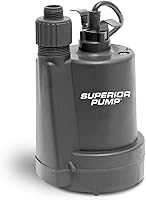
The Superior Pump 91250 is a 1/4 HP thermoplastic submersible utility pump that moves up to 1,800 gallons per hour, lifts water up to 25 feet, and includes a 10-foot cord.
This type of utility pump may help remove water from a pool-area space or handle an emergency water task. It is not a substitute for a permanently installed pool circulation pump, and its cord must be used only as allowed by the equipment instructions and local rules.
The Intermatic T101M is a 120V SPST mechanical timer mechanism rated at 40 amps, with manual override, one ON tripper, and one OFF tripper.
This is a mechanism only, so check the existing enclosure before planning a replacement. A timer does not replace grounding, bonding, overcurrent protection, or any required GFCI protection.
How do you bond a pool pump?
Bond the pump and other required conductive parts to the pool's bonding grid as local rules require. The purpose is to keep accessible metal parts near the same electrical potential.
The bonding connection is not simply another name for the ground wire. It usually uses a separate bonding conductor and a listed bonding lug or terminal on the equipment.
Do not improvise by connecting metal parts with loose wire, using plumbing as the only bonding path, or attaching to painted surfaces. The connection must be clean, tight, corrosion-resistant, and suitable for the environment.
Pool bonding requirements can vary with the pool structure, equipment, nearby metal, and local code. Have an electrician inspect the whole system instead of checking the pump in isolation.
Does the pool pump outlet affect grounding?
Yes, the outlet and circuit must provide the protection and grounding required for the pump. The receptacle, disconnect, breaker, cord, and pump must be compatible as one installation.
An outlet with a grounding opening does not prove that the grounding conductor is connected correctly. A tester can provide useful information, but it cannot replace a full inspection of the circuit and bonding system.
Read Which Electrical Outlet Does a Pool Pump Need? before replacing a receptacle or changing the pump connection. If you are considering a cord, review Can You Use an Extension Cord with a Pool Pump? first.
Avoid using an extension cord as a permanent wiring solution unless the pump instructions and local rules allow it. Outdoor pool equipment needs protection from moisture, physical damage, and unsuitable connections.
Can a pool pump be installed underground?
Do not bury a pump or its electrical connection unless the equipment and installation are specifically designed and approved for that use. Underground locations can expose the motor, wiring, and connections to water and make inspection harder.
The pump must remain accessible for service and must have the required disconnect and protection. Buried wiring also needs the correct burial method, depth, raceway, and protection under local rules.
Our guide to Can You Install a Pool Pump Underground? covers the practical problems with below-grade placement. A pump location that looks protected from weather may still create drainage, access, and electrical risks.
When should you call an electrician?
Call a licensed electrician before changing pool pump wiring, bonding, breakers, disconnects, or GFCI protection. This is especially important when the existing installation has no visible grounding terminal, unexplained wires, corrosion, or repeated trips.
You should also call when the pump voltage does not match the circuit, when the service panel has no clear equipment grounding path, or when the pool's bonding system has never been checked.
If you are replacing the entire unit, read How to Replace a Pool Pump for the planning steps, then have the electrical work completed and verified by a qualified professional.
A pump that trips the breaker may have an electrical fault, water intrusion, overload, or protection problem. Resetting it repeatedly without finding the cause can increase the risk of damage or shock.
What other pool equipment needs attention?
Grounding and bonding should be reviewed as part of the full pool equipment system. Pumps, timers, heaters, lights, cleaners, and chemical equipment can affect the installation.
A pressure-side cleaner may use a separate booster pump. Why Do Some Pressure Cleaners Need a Booster Pump? explains when that added pump is part of the cleaning system.
If you are comparing equipment, Best Hayward Pool Pumps can help with pump selection, but product choice does not replace electrical planning. Keep pump wiring separate from chemical storage and follow the equipment instructions for location and service access.
Pool water chemistry also affects equipment care. The guide to Pool Chemicals and Sanitizers: The Complete Buying Guide explains the role of treatment products, while electrical safety still depends on proper wiring, grounding, bonding, and protection.
What is the safest way to ground a pool pump?
Use the pump's marked terminals, the correct equipment grounding conductor, the required bonding connections, and the protection required by local code. Turn off power before inspection and have a licensed electrician verify the completed installation.
Choose the Polaris PB4-60 when a compatible Zodiac Polaris pressure cleaner needs its 3/4-horsepower booster pump. Choose the Superior Pump 91250 for listed utility pumping tasks, not as a replacement for a pool circulation system.
Choose the Intermatic T101M when a compatible 120V timer mechanism fits the existing enclosure and load.
If the installation has unclear wiring, missing bonding, a damaged enclosure, or repeated breaker trips, stop work and arrange a professional inspection.
Frequently asked questions
What is the difference between grounding and bonding a pool pump?
Grounding provides a path for fault current to return through the electrical system. Bonding connects conductive metal parts so they stay at nearly the same electrical potential.
A pool pump installation may need both, and local rules determine the required conductors and connection points.
Can I ground a pool pump myself?
You can learn the required steps, but pool pump wiring is a high-risk electrical job near water. Turn off the circuit before inspection, then have a licensed electrician select the conductors, verify the grounding and bonding connections, and complete the installation under local code.
Does a pool pump need a ground wire?
Most permanently installed pool pumps need an equipment grounding connection, but the exact conductor size, route, disconnect, and protection depend on the pump, circuit, installation, and local electrical rules. Never rely on a ground rod as a substitute for the required equipment grounding path.
Should a pool pump use a GFCI?
A GFCI may be required for pool pump circuits because it can disconnect power when it detects current leaking from the intended path. The exact requirement depends on the equipment and local code, so ask a licensed electrician to verify the circuit and protection.