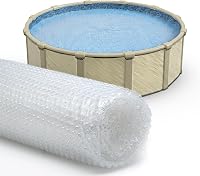
How to Choose a Cover for a Kidney-Shaped Pool
Choose a pool cover for a kidney-shaped pool by measuring the longest length, widest width, and curved outline, then buy an oversized cover you can trim. Solar covers are flexible for daily use, while custom and hard covers suit different needs.
On this page (8 sections)
- What measurements does a kidney-shaped pool cover need?
- Should you buy a custom or standard pool cover?
- How do you trim a solar cover for a kidney-shaped pool?
- Which solar covers can work for a kidney-shaped pool?
- How should you compare these cover options?
- What should you check before cutting?
- How do you use and store a kidney-shaped solar cover?
- What is the best choice for your kidney-shaped pool?
Choose a pool cover for a kidney-shaped pool by measuring the longest length, widest width, and curved outline, then trimming an oversized cover to fit. That method works well for a floating solar cover, because you start with extra material and shape it after it is on the water.
A kidney-shaped pool is harder to cover than a round or rectangular pool. One end may be wide and rounded while the middle narrows, and the outside edge curves instead of running straight.
Those changes affect the size you need at the start. A cover that reaches both ends may still be too narrow across the widest section, so each measurement matters before you order.
A flexible solar cover suits daily use when heat retention and lower evaporation are your main goals. It floats on the surface, can be removed before swimming, and does not need tools or a permanent installation.
Custom and hard covers suit different needs, so separate those choices early. A custom cover is built around the pool outline, while a hard cover changes how the pool is opened, closed, and stored.
For a broader overview of swimming pool covers, compare the main cover types before deciding how much fitting work you want to do. That comparison can stop you from buying a large sheet for a pool that needs a fitted perimeter.
Measure the pool in sections rather than relying on one length and one width. The narrow waist, the deep end, and the curved outer edge can each change where a standard rectangle will overlap or fall short.
Sketch the shape as you measure, and note steps, ladders, rails, and raised walls. Those details show which parts of a trimmed cover will sit flat and which parts may need a notch or extra clearance.
Leave extra material for trimming, especially around the inward curve. It is easier to cut away another narrow strip than to try to add material back after a cut goes too far.
Think about removal as well as fit, because a large flexible cover can be awkward to move alone. A reel or a clear storage spot near the pool can make daily use feel much simpler.
The right cover should cover the full water surface without being pulled tight into the curves. Start with the pool measurements, then match the cover type to how you use the pool each day.
What measurements does a kidney-shaped pool cover need?
You need the maximum length and maximum width first, followed by the pool's changing width along the curve. These measurements help you choose an oversized cover and identify places where trimming will be needed.
Measure from the farthest point at one end to the farthest point at the other end. Then measure across the widest section, including the water area but not the surrounding coping.
Next, divide the pool into sections along its length. At each section, measure the width from one inside edge to the opposite inside edge.
Record where the pool becomes narrow, where the curve changes direction, and where the rounded ends begin.
A simple sketch can make the shape easier to explain when ordering a custom cover. Mark the shallow end, deep end, steps, tanning ledges, ladders, rails, raised walls, and any equipment that sits near the water.
If you are using a floating solar blanket, measure the largest rectangle that covers the pool. Buy enough material to extend beyond the water, then trim it gradually so the final edge follows the kidney shape.
Should you buy a custom or standard pool cover?
Choose a custom kidney-shaped pool cover when you need a close perimeter fit, built-in attachment points, or a safety-focused installation. Choose an oversized floating cover when heat retention and quick removal matter more than an exact edge.
A custom cover uses the pool's measured outline rather than forcing a rectangle over the curves. It can reduce loose material around the edge, but the order depends on accurate measurements and the pool's exact features.
A standard oversized solar cover gives you more flexibility. You can lay it over the water, mark the pool shape, and trim it with scissors where the cover overlaps the coping or accessories.
Read our guide to a custom inground pool cover if your kidney-shaped pool has unusual steps, rails, raised sections, or a complicated perimeter.
A hard cover can provide a different setup and storage experience. Our guide to a hard inground pool cover explains the trade-offs before you choose a rigid option.
How do you trim a solar cover for a kidney-shaped pool?
Trim a solar cover in small sections after it is floating on the water. Start with the largest excess areas, then refine the edge around the inward curve and rounded ends.
Place the bubble side down if the cover uses thermal bubbles. Let the material settle across the surface before marking the edge, because pulling it tight can change where the final cut should go.
Use a washable marker or chalk to trace the pool edge. Leave a small amount of clearance so the cover can move freely without folding up against the coping.
Cut gradually with household scissors. It is easier to remove another narrow strip than to repair a cut that removes too much material.
Do not cut around a ladder, rail, or other feature until you understand how that object affects removal. A cover that fits the water shape may still need a notch or separate handling plan around an obstruction.
For a kidney-shaped pool, the inward curve is the main fitting challenge. Make several short cuts around that area instead of trying to create one perfect line in a single pass.
Which solar covers can work for a kidney-shaped pool?
A solar cover can work for a kidney-shaped pool when it is oversized, lightweight enough to handle, and suitable for trimming. The three options below are rectangular or round, so each requires measuring and shaping before regular use.
The Blue Wave cover uses thermal bubble technology and is designed for above-ground and inground pools. Its rectangle shape makes it useful when your pool's longest and widest measurements fit within a 16 x 32-ft starting size.
The cover is described as clear and lightweight, with a floating installation. Its product care instructions call for mild soap and water, thorough rinsing, drying, and storage in a cool, dry place.
A rectangle gives you predictable material to mark and trim. Check the measured outline before cutting, especially if the kidney shape is wider than the cover in one section.
The Sun2Solar cover is a clear, 12-mil round solar cover with thermal bubbles and floating installation. Its round shape can suit a kidney pool when the widest section and overall length fit inside the available material after positioning.
Sun2Solar says the cover can raise water temperature by up to 15 degrees Fahrenheit and reduce evaporation by up to 95 percent. Those are brand claims, so treat them as expected performance rather than a guarantee for every pool.
The cover can be trimmed for round, oval, rectangular, or unique shapes. A solar reel is not required, although the brand says the cover fits most solar reels.
The BigXwell cover is a blue, rectangular solar cover made from polyethylene. It has a 16 x 32-ft size, floating installation, and a 16-mil thickness.
Its material can be cut with scissors for inground or above-ground pools and different pool shapes. That makes it a practical match for a kidney-shaped pool when the starting rectangle is large enough.
BigXwell says the cover can reduce water evaporation by 95 percent. Its care instructions call for hand washing with mild detergent and air drying before storage.
How should you compare these cover options?
Compare starting size, thickness, shape, and handling needs against your measurements. A round cover may provide useful material around curved ends, while a rectangle may be easier to position over a long kidney pool.
The Blue Wave and BigXwell options both start at 16 x 32 ft. The Blue Wave is described as a clear rectangle for above-ground and inground pools, while the BigXwell is a blue 16-mil polyethylene rectangle.
The Sun2Solar option starts as a 24-ft round cover. That shape may reduce sharp corners around rounded sections, but the total diameter still needs to cover the pool's longest span.
Thicker material can add durability and may be less flexible to move. A lighter cover can be easier to place and remove, but you still need a storage plan that prevents damage from dragging, folding, or prolonged exposure when it is not in use.
For more options by pool shape, see our guide to the best covers for inground pools.
What should you check before cutting?
Check the pool edge, waterline, and obstacles before making the first cut. A cover should rest on the water and move with it, not sit stretched across corners or pressed into fittings.
Confirm that the measured cover area includes the narrow waist of the kidney shape. The longest length alone is not enough if the widest section extends beyond the cover in one place.
Walk the pool with your measurements and check each section in turn. That slow pass can reveal a wide section you missed on paper, or a curve that needs more material than the sketch suggests.
Look for skimmers, return fittings, ladders, rails, steps, raised walls, and deck features. Each item can change the line of the cover, even when the water area itself looks simple.
Mark these features on your sketch and note how close they sit to the water. A fitting near the edge may need clearance, while a rail further back may not affect the floating cover at all.
Decide whether the cover should pass over an object, stop before it, or receive a small notch. That choice affects swimming access too, so think about how you will enter and leave the water with the cover removed.
Keep the cover away from sharp edges during marking. A smooth pool edge is easier to trace and less likely to damage the material during placement and later use.
Feel along the coping and check for rough spots near the waterline. Small edge problems can wear thin material over time, especially where the cover rests against the same point each day.
Let the cover settle on the water before you trace the final line. The material may shift as air pockets flatten, and a line drawn too soon may not match the settled shape.
Leave a little clearance at the edge so the cover can float freely. A cover cut to the exact waterline may fold up or bunch when the water moves, which can make removal messier.
Check the corners and rounded ends with extra care, because curves are where a rectangle needs the most trimming. Short marks and short cuts give you more control than one long line across the curve.
If you are unsure which design suits your pool, compare the main types of inground pool covers before ordering. That step is useful when a trimmed solar cover starts to sound like the wrong fit for your layout.
How do you use and store a kidney-shaped solar cover?
Place the solar cover bubble side down on the water and remove it before swimming. That position puts the thermal bubbles against the water, where they can capture heat during the day and help hold it after sunset.
Use a reel or another careful handling method if the cover is too large for one person to move safely. A kidney-shaped cover can be wide in one section and awkward in another, so a steady grip matters more than speed.
Keep the cover flat on the water while it is in use. Avoid dragging it across rough coping, concrete, or sharp fittings, since that contact can scratch, tear, or weaken the material over time.
Spread the cover out slowly and let it settle before you judge the fit. That pause helps the bubbles sit evenly and keeps one side from pulling the whole sheet out of place.
Remove the cover before anyone swims, and keep it clear of ladders and entry points. A smooth, deliberate lift is easier to control than a quick pull that folds wet material over itself.
When the cover is removed, follow the care instructions for your exact cover. The Blue Wave cover calls for mild soap and water, rinsing, drying, and cool, dry storage, while BigXwell calls for hand washing with mild detergent and air drying.
Sun2Solar lists hand wash only, so check the care notes before cleaning it. Do not leave a solar cover in a tight folded pile for long storage if the care instructions call for rolling or another method.
Rolling keeps the sheet flatter and reduces sharp creases that can collect dirt. Protect the cover from unnecessary heat, dirt, and sharp objects while it is stored.
Rinse off grit before storage when possible, because sand trapped in a fold can wear the surface. Allow the cover to dry before you roll it, since trapped moisture can leave stains and make handling heavier.
Measure the space for a reel, roller, or storage container before you buy the cover. Choose a spot close to the pool if you can, so you are less tempted to drag the cover across the deck.
What is the best choice for your kidney-shaped pool?
Choose an oversized trim-to-fit solar cover when you want a flexible cover for heat retention, reduced evaporation, and debris control. That option suits owners who want a floating cover they can shape to the pool and remove each time they swim.
Pick the Blue Wave or BigXwell when a 16 x 32-ft rectangle covers your measurements. Both start large enough to give you material to trim, but you still need to check the widest section and the inward curve before cutting.
Consider the Sun2Solar when a 24-ft round sheet gives better material around the curved outline. A round starting shape can reduce sharp corners near rounded ends, although the diameter must still span the pool length.
Choose a custom cover when the pool has complex steps, rails, or safety requirements that make trimming a poor fit. A fitted perimeter can sit more neatly than a cut sheet, and attachment points may suit a different use pattern.
Weigh handling before you decide, because the best cover on paper may not suit your daily routine. A lighter sheet can be easier to place, while a thicker sheet may feel more durable but take more effort to move across a large pool.
Measure the pool in sections, sketch every obstacle, and cut only after the cover has settled on the water. That order protects you from removing too much material around the kidney shape.
Check storage space at the same time, since a reel or roller needs room near the pool. If removal feels hard during the buying stage, it may feel harder on a busy day when you want to swim.
A good pool cover for a kidney-shaped pool is the one that covers the full water surface without forcing the curves. Start with accurate measurements, then match the cover shape and handling method to how you use the pool.
For daily swimming, a trimmed solar cover can keep the focus on warmth and upkeep rather than on a fixed installation. For a pool with tricky features, a custom option may save you from repeated cutting and awkward edges.
Take your time with the first fit, because each cut changes how the cover floats. A careful start gives you a cover that is easier to place, easier to store, and better suited to the shape of your pool.
Frequently asked questions
What is the best pool cover for a kidney-shaped pool?
The best pool cover for a kidney-shaped pool is usually an oversized solar cover that can be trimmed to follow the curves. Choose a custom safety or hard cover when you need a fitted perimeter, stronger support, or a more permanent installation.
Measure the pool before selecting the cover size.
How do you measure a kidney-shaped pool for a cover?
Measure the longest point from end to end, the widest point across the pool, and the curved outline if the cover will be custom made. Also record steps, ladders, rails, raised walls, and other features that affect the fit.
Add enough extra material for trimming when using a floating solar cover.
Can a rectangular pool cover fit a kidney-shaped pool?
A rectangular pool cover can fit a kidney-shaped pool if it is larger than the measured pool and can be trimmed safely. It will create more waste than a cover made for the exact outline, but it can work well for floating solar covers.
Do not assume a loose rectangle provides the same fit as a custom safety cover.